








When buyers compare glove quotations, packaging is often treated as a minor line item. In practice, unclear work glove packaging requirements can create relabeling costs, warehouse confusion, delayed receiving, and avoidable disputes. A supplier may quote the correct glove while assuming a packing method that does not fit the buyer’s sales channel or distribution system.
The solution is to define packaging as part of the product specification before pricing is finalized. This guide explains the decisions B2B buyers should document for wholesale and private-label orders without tying those decisions to unverified product claims.
Why Work Glove Packaging Requirements Affect the Total Order Cost
Packaging influences more than appearance. It affects how many sellable units fit in a carton, how warehouse staff identify variants, how barcodes are scanned, and how products arrive after repeated handling. A quotation based on loose pairs will not be directly comparable with a quotation that includes individual bags, printed header cards, inner boxes, labels, and export cartons.
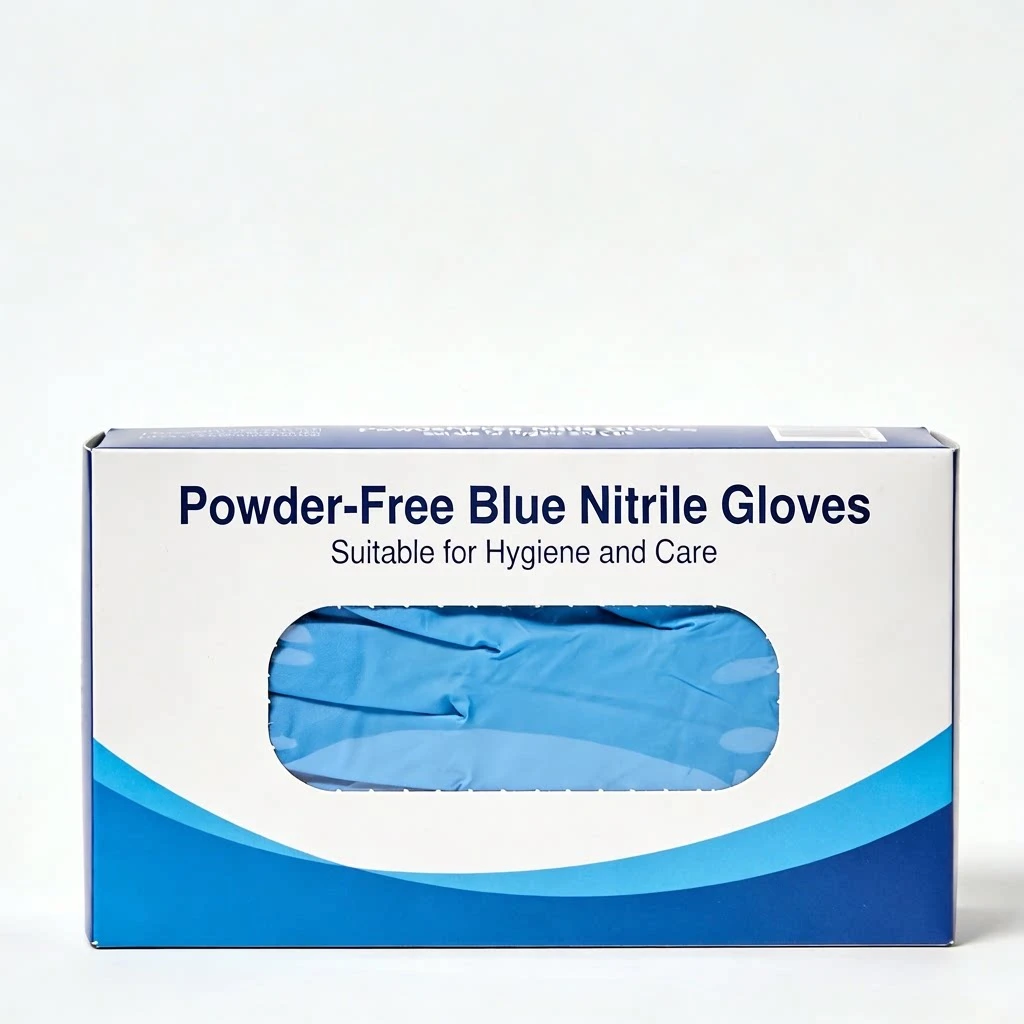
Ask suppliers to separate glove cost, packaging cost, and any one-time artwork or tooling charge. This makes comparisons clearer and helps procurement teams identify which elements can be standardized across several products.
Build the Packaging Specification Before Requesting a Quote
Define the Unit of Sale
Start with the unit that your customer will receive: one pair, several pairs, or a bulk bundle. State whether pairs should be loose, banded, bagged, boxed, or attached to a header card. If left and right gloves are paired, specify how size and model identification should remain visible. Buyers sourcing broad assortments can review the general work glove range while deciding which pack format can be shared across products.
For each unit pack, document the required material, closure method, print colors, warning text, language, and placement of labels. Avoid phrases such as “standard export packing” unless both parties have exchanged a reference sample.
List Label and Barcode Data
Create a controlled label-data sheet for every SKU. Typical fields include product name, model or buyer SKU, size, color, quantity, country-of-origin wording where required, and buyer-provided barcode. The purchaser is responsible for confirming which legal and commercial markings apply in the destination market.
Send barcode numbers as data, not as screenshots. Ask the supplier to provide an artwork proof with human-readable numbers below the code. The buyer should verify that each code maps to the correct SKU and packaging level before authorizing printing.
Specify Inner Packs and Master Cartons
State pairs per inner pack, inner packs per master carton, and whether sizes may be mixed. Define carton markings, label position, gross-weight limits, and any restrictions on staples or strapping. For bulkier products such as items in the heavy-duty glove category, request a physical packing trial because glove thickness can affect carton utilization.
Match Packaging to the Sales and Application Scenario
Distributor and Retail Programs
Distributors may need shelf-ready units, consistent branding, scannable retail barcodes, and clear size differentiation. Artwork approval should cover dimensions, colors, logo placement, care information, and all buyer-supplied claims. Read the related guide to kênh bán buôn găng tay nhãn riêng for broader sourcing considerations beyond packaging.
Industrial End Users and Project Delivery
Industrial buyers often value fast receiving and issue control more than retail presentation. Larger bundles, clear outer labels, color-coded size marks, and purchase-order references may be more useful than decorative packaging. Site delivery can also require cartons to be grouped by department, work area, or scheduled release.

Packaging should support the actual handling route from factory to importer, distributor, warehouse, and final user. It should not be designed only for a product photograph.
Information to Include in a Glove Packaging RFQ
A useful RFQ gives every supplier the same baseline. Include:
- Glove model, material, size range, colors, and estimated quantities by SKU.
- Unit-of-sale definition and pairs per unit pack.
- Inner-pack and master-carton quantities.
- Whether mixed sizes or mixed SKUs are allowed in one carton.
- Artwork files, print method, languages, and approval responsibility.
- Barcode type and buyer-approved barcode data for each packaging level.
- Carton labels, shipping marks, pallet rules, and destination requirements.
- Required packaging samples, inspection points, and defect acceptance process.
Keep the packaging specification under document control. A dated version number on the RFQ, artwork proof, and purchase order reduces the chance that an old label or carton layout returns in a repeat order.
Approve Samples and Inspect Packaging Before Shipment
Review a Complete Packing Sample
Do not approve artwork in isolation. Review a complete packed sample showing the glove, unit pack, label, inner pack, and carton configuration when the order justifies it. Check whether the package protects the product, the size is easy to identify, the barcode can be scanned, and the printed information matches the approved file.
Use a Packaging Inspection Checklist
During pre-shipment inspection, verify SKU-to-label matching, pair count, assortment, barcode readability, artwork version, carton quantity, and visible carton condition. Record findings by SKU rather than relying on a general statement that packing is acceptable. The product checks described in the industrial safety gloves buying guide can be incorporated into the same inspection plan.
Common Packaging Mistakes to Prevent
Frequent problems include approving only a digital layout, failing to distinguish unit and carton barcodes, changing pack quantity after the quotation, and allowing mixed sizes without an assortment table. Another risk is placing unsupported performance or certification wording on the package. Printed claims should match the approved product documentation and the requirements of the destination market.
A short, precise specification is better than a long email chain. Attach drawings or reference photos, identify which file controls each element, and require written approval before mass printing.
Turn Packaging Into a Repeatable Procurement Standard
Well-defined work glove packaging requirements make quotations comparable and repeat orders easier to manage. They also give factories, inspectors, freight teams, and warehouses a shared definition of what the finished order should look like.
For a new wholesale or OEM program, prepare the SKU list and target sales channel before requesting packaging options. Contact Rilong to discuss glove selection, private-label presentation, carton configuration, and the information needed for a clear quotation.
