





The Critical Role of Hand Protection in Safety and Performance
Hand injuries are among the most common preventable accidents in both professional and domestic environments. The consequences can range from temporary discomfort to permanent disability, impacting one’s ability to work and perform everyday tasks. Effective hand protection is therefore not a luxury, but a necessity. The right pair of gloves does more than just create a physical barrier; it enhances the user’s capabilities. For example, a pair of PU safety work gloves can improve grip on small components, reducing the risk of dropping them and preventing fumbling that can lead to injury. Similarly, well-insulated winter work gloves allow workers to maintain dexterity and function effectively in freezing temperatures. By mitigating risks such as cuts, chemical exposure, burns, and infections, gloves are a fundamental investment in personal safety and overall productivity.
Understanding the Core Materials of Modern Gloves
The performance, comfort, and protective capabilities of any glove are primarily determined by its material. Each material offers a distinct set of advantages and is suited for different applications. Understanding these differences is the first step in selecting the appropriate hand protection.
Nitrile: The Versatile and Resilient All-Rounder
Nitrile has surged in popularity to become a dominant material in the glove industry, especially for disposable and chemical-resistant options. Made from a synthetic rubber copolymer, it offers a balanced profile of durability and dexterity.
- Superior Puncture Resistance: Nitrile is three to five times more puncture-resistant than latex, making work nitrile gloves an excellent choice for tasks involving sharp objects.
- Excellent Chemical Resistance: It holds up well against a broad spectrum of chemicals, oils, fuels, and solvents. This makes it ideal for automotive professionals, who rely on nitrile mechanics gloves, and for industrial settings requiring heavy-duty nitrile gloves.
- Latex-Free: Nitrile contains no natural rubber latex proteins, eliminating the risk of Type I latex allergies. This safety aspect has made it the standard for medical gloves in many hospitals and clinics.
- Tactile Sensitivity: Modern manufacturing allows for thin yet strong nitrile gloves, such as black nitrile gloves, which provide a high level of touch sensitivity for precise tasks.
Latex: The Standard for Flexibility and Comfort
Derived from the sap of rubber trees, natural latex has long been prized for its incredible elasticity and comfort. Latex gloves offer a fit that feels like a second skin.
- Unmatched Fit and Dexterity: Latex conforms perfectly to the hand, providing exceptional comfort and tactile sensitivity, which is crucial for intricate procedures.
- Reliable Barrier Protection: It provides a strong, dependable barrier against viruses, bacteria, and other biohazards.
- Cost-Effective: For general-purpose use and household tasks, household cleaning gloves made from latex are often a very economical choice.
The primary disadvantage of latex is the potential for allergic reactions. This has led many industries to transition to nitrile, but for individuals without allergies, latex remains an excellent option for comfort and performance.
Leather: The Timeless Choice for Toughness and Durability
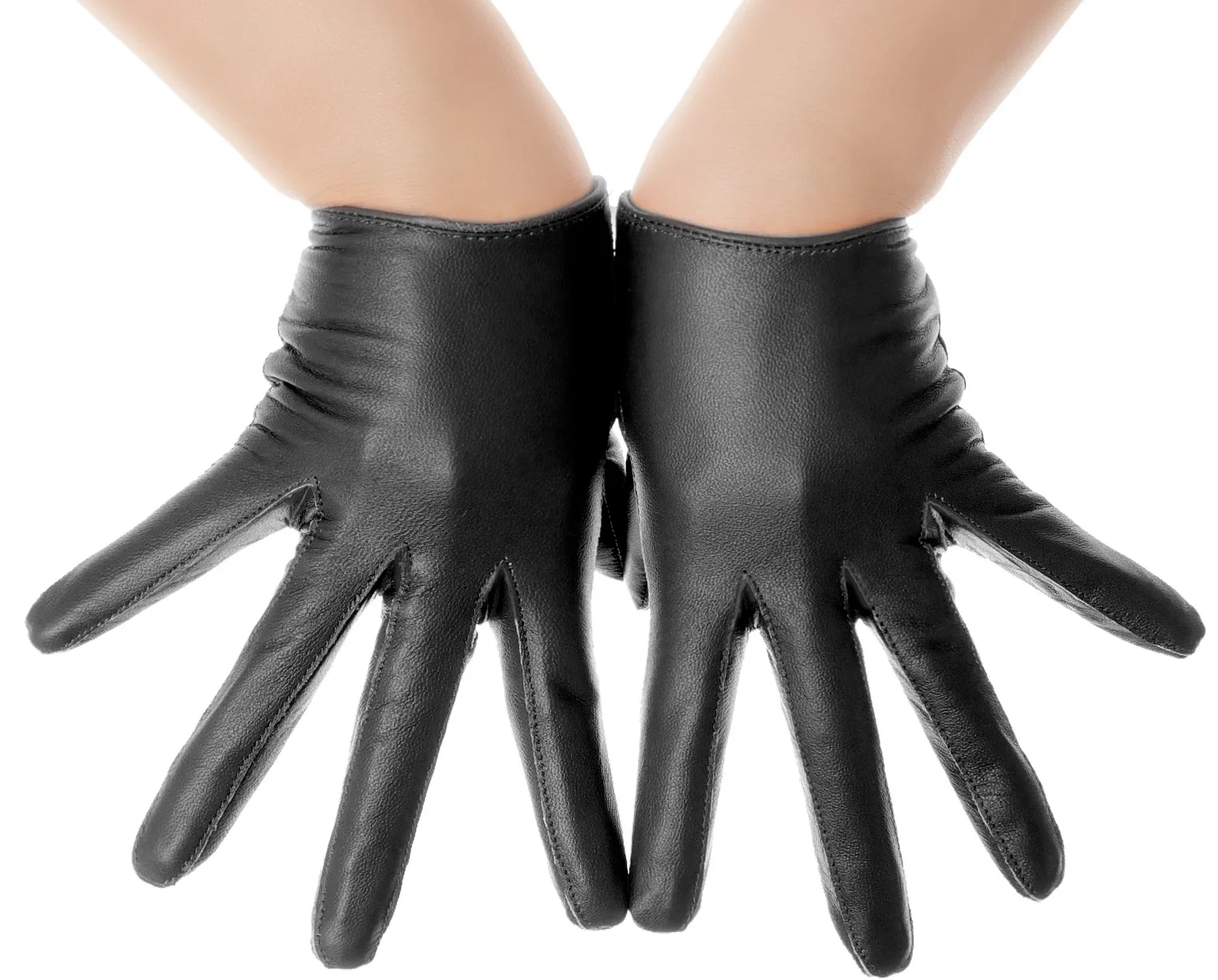
For heavy-duty jobs that demand rugged protection, leather gloves are the traditional and often unbeatable choice. The natural fiber structure of leather provides outstanding resistance to physical hazards.
- High Abrasion Resistance: Leather is exceptionally durable and can withstand significant wear and tear, making leather work gloves essential for construction, landscaping, and ranching.
- Good Heat Resistance: Many types of leather, particularly split cowhide, offer natural insulation against heat, making them the primary material for high-heat applications like welding. Leather welding gloves are a perfect example.
- Comfort and Breathability: As a natural material, leather breathes, which helps to reduce sweat and improve comfort during long hours of work. It also molds to the user’s hand over time for a custom fit.
Gloves for men and women, such as leather gloves for men and womens leather gloves, combine this durability with tailored fits for different hand shapes.
PVC and PU Coatings: Enhancing Grip and Protection
Many modern work gloves feature a seamless knit liner made of nylon or polyester, which is then coated with a polymer for added protection. Polyvinyl Chloride (PVC) and Polyurethane (PU) are two common coatings.
- PVC (Polyvinyl Chloride): PVC coated gloves provide an excellent grip, especially in wet conditions, and are highly resistant to abrasion, acids, and bases. Some designs feature dots, like PVC dotted gloves, for enhanced grip on dry surfaces.
- PU (Polyurethane): PU coated gloves are known for being lightweight, flexible, and offering great tactile sensitivity with a non-sticky feel. They are ideal for delicate assembly and electronics handling where precision is key.
A Deep Dive into Specialized Work Gloves for Every Industry
While material is the foundation, glove design is what truly optimizes it for a specific job. Specialized work gloves are engineered to counter the unique hazards of a particular profession.
Cut-Resistant Gloves for Handling Sharp Materials
For anyone working with glass, sheet metal, blades, or sharp tools, cut-resistant gloves are an absolute necessity. These gloves are constructed from high-performance yarns like HPPE (High-Performance Polyethylene), aramid fibers (Kevlar®), or steel-fiber blends. Their effectiveness is rated by standards like ANSI/ISEA 105 (A1-A9) or EN388. A level 5 cut-resistant glove provides substantial protection for high-risk applications.
Welding Gloves for High-Heat Applications
Welding generates intense heat, sparks, and molten metal splatter. Welding gloves must provide robust thermal protection without completely sacrificing control. They are typically made from thick split-grain leather with a long cuff to protect the forearm. The type of welding dictates the glove design:
- MIG Welding: Requires thick, heavy-duty gloves like MIG welding gloves for maximum heat insulation.
- TIG Welding: Demands greater precision, so TIG welding gloves are made from thinner, more supple leather (like goatskin) for better dexterity.
Mechanic Gloves for Dexterity and Durability
Automotive and maintenance work involves a mix of hazards: oil, grease, abrasion, and the need to handle small parts. Mechanics gloves are designed to meet these challenges. They often feature a synthetic leather palm for durability, a form-fitting spandex back for comfort, and sometimes TPR (Thermoplastic Rubber) armor on the knuckles and fingers for impact protection. They offer a great balance of protection and the fine motor control needed for intricate repairs.
Electrical Gloves for Protection from Shock
Working with electricity requires a very specific and highly regulated type of protection. Electrician gloves, also called insulating gloves, are made from dielectric rubber that does not conduct electricity. They are categorized into different classes (Class 00, 0, 1, 2, 3, 4) based on the maximum voltage they can safely handle. These gloves must be visually inspected for any pinholes or tears before every use, as any compromise in their integrity could be fatal.
Anti-Static Gloves for Electronics Handling
In the electronics industry, even a small static discharge can destroy sensitive components. Anti-static gloves (or ESD gloves) are designed to safely dissipate static electricity. They are made with carbon fiber or other conductive threads woven into the fabric, providing a safe path for static charges to ground without damaging electronics. They are essential for PC building and circuit board assembly.
Gloves for Every Season and Lifestyle
Hand protection is not limited to the workplace. Many recreational activities, hobbies, and everyday chores are made safer and more comfortable with the right pair of gloves.
Winter Gloves for Warmth and Weather Protection
When temperatures drop, protecting your hands from the cold is crucial for both comfort and safety. Winter gloves are designed with a multi-layer system:
- Outer Shell: A windproof and often waterproof layer to block the elements.
- Insulation: A middle layer of material (like Thinsulate™ or fleece) that traps air to retain heat.
- Liner: A soft inner layer that wicks moisture away from the skin to keep hands dry.
Styles range from casual mens winter gloves and womens winter gloves to high-performance ski gloves designed for harsh mountain conditions. For extreme cold, heated gloves with battery-powered elements provide active warmth.
Gardening Gloves for Green Thumbs
Gardening gloves protect hands from thorns, dirt, insects, and moisture. Simple cotton gloves are fine for light planting, but for more serious work, gloves with a nitrile or latex coating offer waterproofing and a superior grip. Leather garden gloves are excellent for tough jobs like pruning roses or clearing brush. There are styles designed specifically for women, men, and even kids to encourage the whole family to get involved.
Motorcycle Gloves for Rider Safety
For motorcyclists, gloves are not optional; they are a critical piece of safety equipment. Motorcycle gloves are engineered to protect the hands from abrasion and impact during a fall. Key features include reinforced leather or textile construction, hard armor over the knuckles, and palm sliders to prevent the hands from gripping the pavement and causing tumbling.
The Science of a Perfect Fit: How to Measure and Choose Your Glove Size
A glove can only provide effective protection if it fits correctly. A glove that is too loose can slip or get caught in machinery, while a glove that is too tight can restrict blood flow and cause hand fatigue. Learning how to measure your glove size is a simple but vital step.
- Get a Fabric Measuring Tape: If you don’t have one, a piece of string and a ruler will work.
- Measure Your Dominant Hand: Wrap the tape around the fullest part of your hand, just below the knuckles and above the thumb. This measurement in inches is your numerical glove size. For example, a measurement of 9 inches corresponds to a size 9 or a Large.
- Consult the Manufacturer’s Chart: Sizing can vary slightly between brands and styles (e.g., work gloves vs. winter gloves). Always refer to the specific sizing chart provided by the manufacturer to convert your measurement to the correct S, M, L, XL size.
A properly fitted glove should be snug without being constrictive, with the fingertips of the glove reaching the end of your fingers without excess material.
Decoding Safety Standards: What Glove Ratings Mean
To ensure gloves provide reliable protection, they are tested and certified according to rigorous international standards. Understanding these markings helps you compare products and choose the right level of protection.
EN 388: The European Standard for Mechanical Risks
This is the most common standard for work gloves. An “EN 388” marking is typically followed by a pictogram of a hammer and a series of numbers and letters, such as “4X43D”. Each character represents a performance score:
- 1st Number (Abrasion Resistance): Rated on a scale of 1-4.
- 2nd Number (Cut Resistance – Coup Test): Rated on a scale of 1-5. An ‘X’ means this test was not performed or not applicable.
- 3rd Number (Tear Resistance): Rated on a scale of 1-4.
- 4th Number (Puncture Resistance): Rated on a scale of 1-4.
- 5th Letter (Cut Resistance – TDM Test): Rated A-F. This is a more accurate test for high-performance materials and is now the primary cut rating.
For example, EN388 certified gloves offer a clear and reliable benchmark of their protective capabilities.
ANSI/ISEA 105: The American Standard
The American National Standards Institute (ANSI) and the International Safety Equipment Association (ISEA) publish a similar standard. The most frequently cited part is the ANSI Cut Level, which is rated on a nine-level scale from A1 (lowest) to A9 (highest). This detailed scale is particularly useful for specifying the exact level of cut protection needed for a task.
The Future of Glove Innovation: What’s Next in Hand Protection?
Glove technology is continually advancing, driven by innovations in material science and a deeper understanding of ergonomics. We are seeing a move towards lighter, stronger, and more comfortable materials that offer higher levels of protection with less bulk. Sustainable manufacturing processes and the development of biodegradable disposable gloves are addressing environmental concerns. Furthermore, the integration of “smart” technology is on the horizon, with sensors woven into gloves to monitor impacts, track biometric data, or interact with digital interfaces. These advancements promise a future where gloves not only protect our hands but also enhance our connection with the tools and technology we use.
Making the Right Choice for Your Hand Protection Needs
The journey to selecting the perfect glove begins with a simple question: “What do I need to protect my hands from?” By first identifying the potential hazards—be it sharp edges, chemicals, extreme temperatures, or biohazards—and then considering the need for dexterity, grip, and comfort, you can narrow down the vast field of options. From a simple pair of white cotton gloves for handling delicate items to robust heavy-duty work gloves for the toughest jobs, there is a solution available. Remember to ensure a proper fit and look for certified safety standards to guarantee performance. Investing in the right pair of gloves is a direct investment in your most important asset: your health and safety.
