





Safety shoe standards are critical for ensuring worker safety in environments where foot injuries are a risk. These standards define the performance requirements for protective footwear, safeguarding against hazards like impacts, punctures, and slips. This comprehensive guide explores the key safety shoe standards, their applications, and how they complement other protective gear like gloves, helping you choose the right footwear for your workplace.
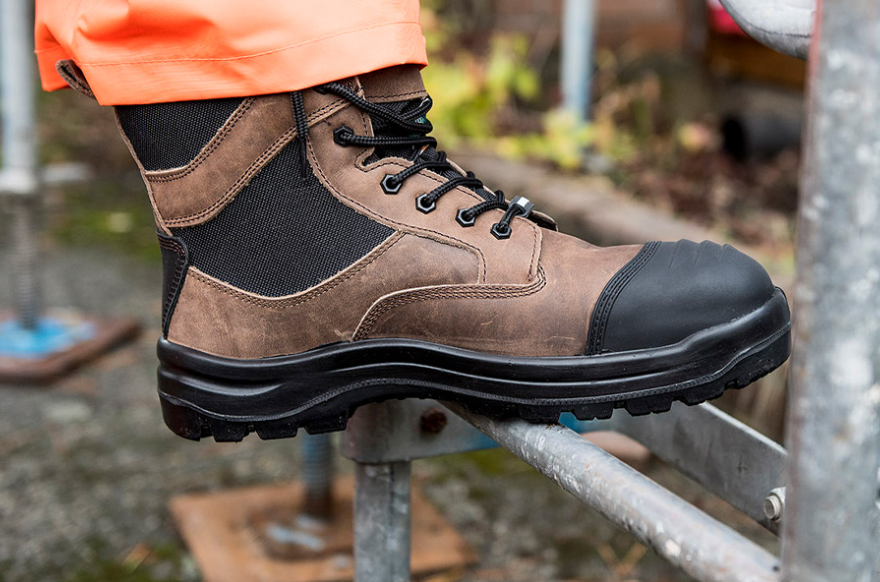
Understanding Safety Shoe Standards
Safety shoe standards establish the minimum requirements for protective footwear to ensure safety in industries such as construction, manufacturing, and healthcare. Globally recognized standards, such as EN ISO 20345 (Europe) and ASTM F2413 (United States), specify criteria for impact resistance, compression strength, slip resistance, and more. Compliance with these standards is often mandated by organizations like OSHA to reduce workplace injuries.
Why Safety Shoe Standards Matter
Adhering to safety shoe standards minimizes the risk of foot injuries, which account for a significant portion of workplace accidents. For example, falling objects, sharp tools, or slippery surfaces can cause severe injuries without proper footwear. Standards ensure that safety shoes provide reliable protection while maintaining comfort for long work hours, boosting both safety and productivity.
Major Safety Shoe Standards Explained
EN ISO 20345: European Standard for Safety Footwear
The EN ISO 20345 standard, updated in 2022, is the primary benchmark for safety footwear in Europe. It requires a protective toe cap capable of withstanding a 200-joule impact (equivalent to a 20 kg object falling from 1 meter) and a 15 kN compression force. Additional features include slip resistance, abrasion resistance, and ergonomic design.
Protection Categories Under EN ISO 20345
- SB (Safety Basic): Basic toe protection for low-risk environments.
- S1: SB features plus antistatic properties, energy-absorbing heel, and hydrocarbon-resistant sole. Ideal for dry indoor settings.
- S1P: S1 with puncture-resistant midsole. Suitable for construction sites.
- S2: S1 with water-resistant upper (WPA). Perfect for wet environments.
- S3: S2 with puncture resistance and notched outsole for superior grip. Ideal for outdoor work.
- S4: Waterproof, molded boots with S1 features. Suitable for wet conditions.
- S5: S4 with puncture-resistant midsole. Designed for high-risk wet environments.
- S6/S7: Enhanced water resistance (WR) for full shoe protection, introduced in 2022.
Additional markings include P (puncture resistance), PL (non-metal puncture resistance, 4.5 mm nail), PS (non-metal puncture resistance, 3 mm nail), and SR (slip resistance on glycerine-coated surfaces).
Explore our High Quality Work Boots Safety Shoes for S3-compliant footwear designed for rugged environments.
ASTM F2413: American Standard for Protective Footwear
In the United States, ASTM F2413-18 governs safety footwear, requiring impact resistance (I/75) and compression resistance (C/75), meaning shoes can withstand 75 foot-pounds of impact and 2,500 pounds of compression. Other protections include:
- Puncture Resistance (PR): Prevents sharp objects from penetrating the sole.
- Electrical Hazard (EH): Protects against electric shocks, though less effective in wet conditions.
- Static Dissipative (SD): Reduces static electricity in sensitive environments.
- Metatarsal Protection (Mt): Shields the top of the foot from heavy impacts.
Footwear must pass ASTM F2412 tests, and compliance is indicated on the shoe’s label. Our Most Comfortable Safety Toe Shoes meet ASTM F2413 standards for reliable protection.
Other Relevant Standards
- EN ISO 20347: Covers occupational footwear without toe protection, focusing on slip resistance and antistatic properties. Suitable for low-risk settings like kitchens.
- CSA Z195-14 (Canada): Similar to ASTM, emphasizing impact, compression, and metatarsal protection.
- EN 13832-2: Ensures chemical resistance for footwear in labs or healthcare settings.
For chemical-resistant environments, consider our Work Shoes designed for lab safety.
Complementing Safety Shoes with Protective Gloves
Safety shoe standards work hand-in-hand with other personal protective equipment (PPE), such as gloves, to provide comprehensive safety. For example:
- Construction: Pair S3 safety shoes with Heavy Duty Safety Gloves for protection against cuts and impacts.
- Healthcare: Combine S2 shoes with Latex Gloves to protect against biohazards and slips on wet floors.
- Welding: Use Welding Gloves with S3 shoes to shield against sparks and heavy objects.
This combination ensures workers are fully protected across multiple risk factors.
Choosing the Right Safety Shoes
Selecting footwear that meets safety shoe standards requires careful consideration:
- Identify Hazards: Determine risks like falling objects, electrical hazards, or wet surfaces. For example, Mens Work Shoes are ideal for construction.
- Verify Compliance: Ensure shoes meet EN ISO 20345, ASTM F2413, or other relevant standards.
- Prioritize Comfort: Choose ergonomic designs like Comfortable Work Shoes to reduce fatigue.
- Check Fit: Proper sizing prevents blisters and ensures stability.
- Material Quality: Opt for durable leather or waterproof materials for longevity.
Caring for Safety Shoes
To extend the life of safety shoes:
- Clean Regularly: Wipe leather uppers with a damp cloth and mild soap.
- Condition Leather: Apply leather conditioner to prevent cracking.
- Store Properly: Keep in a cool, dry place away from direct sunlight.
- Replace Worn Shoes: Check for worn soles or damaged toe caps to maintain protection.
Why Choose Rilonggrp.com?
At Rilonggrp.com, we offer a wide range of safety footwear and gloves that comply with safety shoe standards. Our Safety Shoes for Men meet EN ISO 20345 for construction, while Nitrile Gloves provide chemical resistance for labs. With high-quality materials and competitive pricing, we ensure reliable PPE for all industries.
Conclusion
Safety shoe standards like EN ISO 20345 and ASTM F2413 are essential for protecting workers from foot injuries in hazardous environments. By pairing compliant footwear, such as our Womens Safety Shoes, with protective gloves like Latex Coated Work Gloves, you can achieve comprehensive safety. Visit Rilonggrp.com to explore our range of certified PPE and invest in protection that meets global standards.
Need Custom Gloves Solutions?
Contact Our Glove Specialists Today!
📞 Call for Immediate Sourcing:
Michael: +86 15165509509
Sophie: +86 15806930126
📩 Email Technical Specifications:
[email protected]
[email protected]
💬 Chat on social media:


