





When working in automotive, manufacturing, or oil and gas industries, oil proof mechanics gloves are essential for protecting hands from oils, greases, and chemicals while maintaining grip and dexterity. These gloves are designed to repel slippery substances, ensuring safety and productivity in challenging environments. This comprehensive guide explores the benefits, features, and applications of oil proof mechanics gloves, helping you choose the best pair from trusted suppliers like Rilong Group to meet your needs.
What Are Oil Proof Mechanics Gloves?
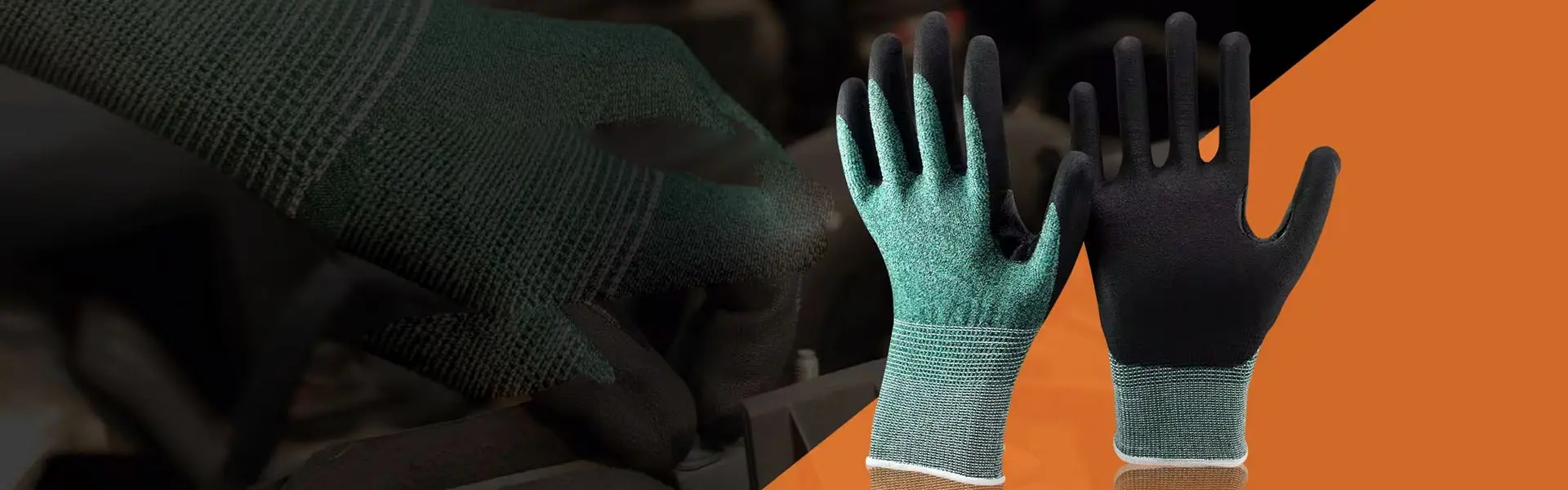
Oil proof mechanics gloves are specialized work gloves engineered to resist penetration by oils, fuels, and lubricants. Typically made with materials like nitrile, PVC, or neoprene, these gloves feature coatings or treatments that create a barrier against oily substances. They are designed for mechanics, technicians, and industrial workers who need reliable grip and protection when handling greasy tools, parts, or machinery.
For a high-quality option, explore Rilong Group’s mechanic gloves, crafted for durability and oil resistance.
Benefits of Oil Proof Mechanics Gloves
1. Protection Against Oils and Chemicals
Oil proof mechanics gloves prevent oils and chemicals from reaching the skin, reducing the risk of irritation or conditions like contact dermatitis. This is critical for tasks like oil changes or engine repairs, where exposure to harmful substances is common.
2. Enhanced Grip in Slippery Conditions
The textured coatings on these gloves, such as nitrile or PVC, provide superior grip on oily surfaces, minimizing the risk of dropping tools or parts. For example, nitrile-coated gloves offer excellent traction for automotive tasks.
3. Durability for Heavy-Duty Use
Made from robust materials, oil proof mechanics gloves resist punctures, tears, and abrasions, ensuring long-lasting performance. Heavy-duty nitrile gloves are ideal for demanding environments like oil rigs or workshops.
4. Comfort and Dexterity
Despite their protective qualities, these gloves are designed to maintain flexibility and tactile sensitivity, allowing mechanics to handle small parts like bolts and screws with ease. Rilong’s nitrile palm-coated gloves balance protection with dexterity.
Key Features to Look for in Oil Proof Mechanics Gloves
When selecting oil proof mechanics gloves, consider the following features:
- Material: Nitrile, PVC, or neoprene coatings are ideal for oil resistance. Nitrile is particularly effective for its chemical resistance and grip.
- Coating Type: Choose between smooth, foam, or sandy nitrile coatings. Foam coatings, as in gloves nitrile-coated, enhance breathability and grip.
- Lining: Gloves with cotton or synthetic liners, like those in latex-coated gloves, improve comfort for extended wear.
- Impact Protection: For heavy-duty tasks, look for gloves with TPR (Thermoplastic Rubber) knuckle bumpers, such as impact-resistant gloves.
- Certifications: Ensure compliance with standards like EN 388:2016 or ANSI/ISEA 105-2016 for mechanical and chemical resistance.
Applications of Oil Proof Mechanics Gloves
Oil proof mechanics gloves are used in various industries, including:
- Automotive: Protect hands during oil changes, brake repairs, or tire fitting with oil-resistant gloves.
- Manufacturing: Handle oily machinery or components with industrial safety gloves.
- Oil and Gas: Ensure safety in drilling or refining with gloves designed for chemical and oil resistance.
- Construction: Manage greasy tools in wet conditions with construction gloves.
How to Choose the Best Oil Proof Mechanics Gloves
1. Assess Task Requirements
Identify the specific hazards and tasks. For oil changes, prioritize chemical resistance and grip, as offered by nitrile gloves. For heavy machinery work, consider gloves with impact protection.
2. Ensure Proper Fit
A well-fitting glove enhances dexterity and comfort. Measure hand circumference (around the knuckles, excluding the thumb) and length (from wrist to middle fingertip). Refer to the supplier’s sizing chart, such as Rilong Group’s, to select the right size.
3. Check Material and Coating
Nitrile is the top choice for oil resistance, but PVC or neoprene may be better for specific chemicals or durability needs. For example, PVC-coated gloves are ideal for prolonged exposure to liquids.
4. Partner with a Reliable Supplier
Choose a supplier like Rilong Group that offers certified, high-quality gloves with customization options and bulk discounts for wholesale purchases.
Tips for Using and Maintaining Oil Proof Mechanics Gloves
- Clean Regularly: Reusable gloves can be washed with mild detergent to remove oil residues, extending their lifespan.
- Inspect for Damage: Check for tears or worn coatings before use, especially for heavy-duty tasks.
- Store Properly: Keep gloves in a dry, cool place to maintain material integrity.
- Combine with Liners: For cold environments, use cotton or fleece liners under oil proof gloves, as seen in winter work gloves, for added warmth.
Comparing Oil Proof Mechanics Gloves to Other Options
Nitrile vs. Latex Coated Gloves
Nitrile coated gloves are superior for oil and chemical resistance and are hypoallergenic, unlike latex, which may cause allergies but offers greater flexibility. Latex-coated work gloves are a good alternative for non-allergic users.
Nitrile vs. Leather Gloves
Leather gloves provide cut and puncture resistance but absorb oils, making them less suitable for oily tasks. Nitrile coated gloves, like Rilong’s nitrile work gloves, are better for oil proofing.
Why Choose Rilong Group for Oil Proof Mechanics Gloves?
Rilong Group is a trusted supplier offering a wide range of oil proof mechanics gloves, including anti-static gloves for electronics and heavy-duty gloves for industrial tasks. Their gloves meet global safety standards, provide customization options, and are available at competitive wholesale prices, ensuring quality and affordability.
Conclusion
Oil proof mechanics gloves are a must-have for professionals working in oily or greasy environments, offering protection, grip, and durability. By choosing gloves with the right materials, coatings, and features, you can ensure safety and efficiency. Partner with a reliable supplier like Rilong Group to explore high-quality options, such as nitrile-coated gloves or oil-resistant work gloves, tailored to your industry’s needs.
Need Custom Gloves Solutions?
Contact Our Glove Specialists Today!
📞 Call for Immediate Sourcing:
Michael: +86 15165509509
Sophie: +86 15806930126
📩 Email Technical Specifications:
[email protected]
[email protected]
💬 Chat on social media:


