








Ace your next exam with gloves nitrile exam—learn how to choose, use, and maintain exam-specific nitrile gloves for precision, hygiene, and regulatory compliance.
Why “Nitrile Exam Gloves” Matter for Tests & Assessments
Exams demand precision, hygiene, and focus. Even a small distraction—like sticky fingers, ink smudges, or contaminants—can derail performance. That’s where gloves nitrile exam step in. Unlike latex (prone to allergies) or vinyl (less durable), nitrile gloves offer a winning combination: flexibility for fine motor tasks, chemical resistance for clean handling, and hypoallergenic properties for sensitive skin. But not all nitrile gloves are created equal—exam-specific ones are engineered to meet strict safety and performance standards. Let’s break down why they’re non-negotiable and how to pick the perfect pair.
What Makes Nitrile Gloves Ideal for Exam Scenarios? Key Features Decoded
Not every nitrile glove works for exams. Here’s what to look for:
1. Powder-Free Design
Exam environments (e.g., test centers, labs) ban powdered gloves—they contaminate surfaces, trigger allergies, and smudge paper. Nitrile exam gloves are almost always powder-free, ensuring zero residue that could ruin answer sheets or lab work.

2. Thin Yet Durable Material
Exams require precision: writing with a pen, handling scantron sheets, or using lab tools. Thin nitrile (3–4 mil / 0.076–0.102mm) balances dexterity with protection—thicker gloves (5+ mil) can feel bulky and slow you down.
3. Reinforced Finger Tips
Frequent writing or tool use can tear gloves at the fingertips. High-quality nitrile exam gloves have reinforced fingertips to prevent rips during long tests (e.g., SAT, bar exams, or medical licensing tests).
4. Compliance with Exam Regulations
Many testing bodies (e.g., College Board, ETS) require gloves to meet safety standards like ASTM D6319 (medical exam gloves) or FDA 21 CFR 177 (food-safe, which often overlaps with exam-safe). Always verify compliance to avoid disqualification.
How to Choose the Right Nitrile Exam Gloves: Size, Thickness, and Certification
Choosing gloves nitrile exam isn’t just about grabbing the first pair off the shelf. Follow these steps:
Step 1: Measure Your Hand for a Snug Fit
Even in exams, fit matters—too tight, and you lose dexterity; too loose, and gloves slip. Use our guide to measuring glove size (link to internal post) to find your hand length and width. For exams, aim for:
- Snug but not tight: You should slide one finger between the glove and your palm.
- Finger length match: Ensure the glove covers your fingertips without bunching.
Step 2: Prioritize Exam-Specific Features
- Scantron-safe: Look for “low lint” or “smudge-free” labels—these prevent ink transfer to answer sheets.
- Ambidextrous design: Most exams don’t specify left/right, but ambidextrous gloves are cheaper and versatile.
- Breakage resistance: Check for “puncture-resistant” claims—critical for lab exams or art tests (e.g., handling paints).

Step 3: Verify Certifications
- ASTM D6319: Ensures the glove meets medical-grade standards for barrier protection.
- FDA 21 CFR 177: Confirms it’s safe for food contact (relevant if exams involve food handling, e.g., culinary tests).
- EU 1935/2004: Required in Europe for food-safe or medical gloves.
Pro Tips for Using Nitrile Exam Gloves During Tests
Even the best gloves fail if used incorrectly. Follow these rules to maximize performance:
1. Wash Hands Before Putting Them On
Contaminated hands = contaminated gloves. Wash with soap and water, dry thoroughly, then apply gloves.
2. Avoid Oils and Lotions
Petroleum-based products degrade nitrile—wait 30 minutes after applying lotion before handling gloves.
3. Change Gloves If:
- They tear or develop holes (even small ones risk contamination).
- You touch dirty surfaces (e.g., a spill, a doorknob).
- The exam allows re-entry (some centers permit glove changes during breaks).
4. Use the “Glove Rule” for Hygiene
Never touch your face, hair, or personal items while wearing exam gloves—they’re for test materials only.
Common Nitrile Exam Glove Myths—Busted
Myth 1: “All nitrile gloves are exam-safe.” False. Many are labeled “general use”—always check for exam-specific certifications (e.g., ASTM D6319).
Myth 2: “Thicker gloves are better for exams.” Nope. Thick gloves slow down writing and fine motor tasks—opt for 3–4 mil for balance.
Myth 3: “Powdered gloves are allowed in exams.” Rarely. Most testing centers ban powder to prevent smudging and allergies.
FAQ: Your Top Questions About Nitrile Exam Gloves Answered
Q: Can I reuse nitrile exam gloves?
A: No—exam gloves are single-use. Reusing them spreads germs and risks tearing.
Q: Are nitrile exam gloves latex-free?
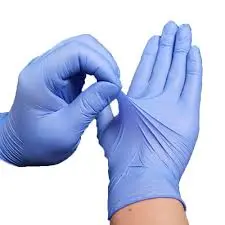
A: Yes—nitrile is synthetic, so they’re safe for latex-sensitive test-takers.
Q: Do nitrile exam gloves contain BPA?
A: Reputable brands use BPA-free materials. Check labels to confirm.
Final Thoughts
Nitrile exam gloves are more than just a tool—they’re a key to performing your best under pressure. By choosing certified, exam-specific pairs and following proper usage tips, you’ll eliminate distractions, stay hygienic, and focus on what matters: acing your test.
Ready to ace your next exam? Check out our top-rated ASTM-compliant nitrile exam gloves for precision and comfort.
Need Custom Glove Solutions?
Contact Our Glove Specialists Today!
📞 Call for Immediate Sourcing:
Michael: +86 15165509509
Sophie: +86 15806930126
📩 Email Technical Specifications:
[email protected]
[email protected]
💬 Chat on social media:


Explore our [glove department] for professionally sized global glove options. Learn about [what are nitrile gloves] in our chemical protection guide.
