





Finding the right glove size is crucial for comfort, dexterity, and protection, whether you’re working in construction, food handling, or gardening. Knowing how to measure glove size accurately ensures you select gloves that fit snugly without restricting movement. This comprehensive guide will walk you through the steps to measure your hand for gloves, explain glove sizing charts, and offer tips for choosing the best gloves for your needs from trusted suppliers like Rilong Group.
Why Proper Glove Sizing Matters
Wearing gloves that are too tight or too loose can compromise safety and efficiency. Ill-fitting gloves may reduce grip strength, cause discomfort, or fail to provide adequate protection. By learning how to measure glove size, you can ensure optimal performance for tasks like handling sharp tools with cut-resistant gloves or preparing food with nitrile gloves.
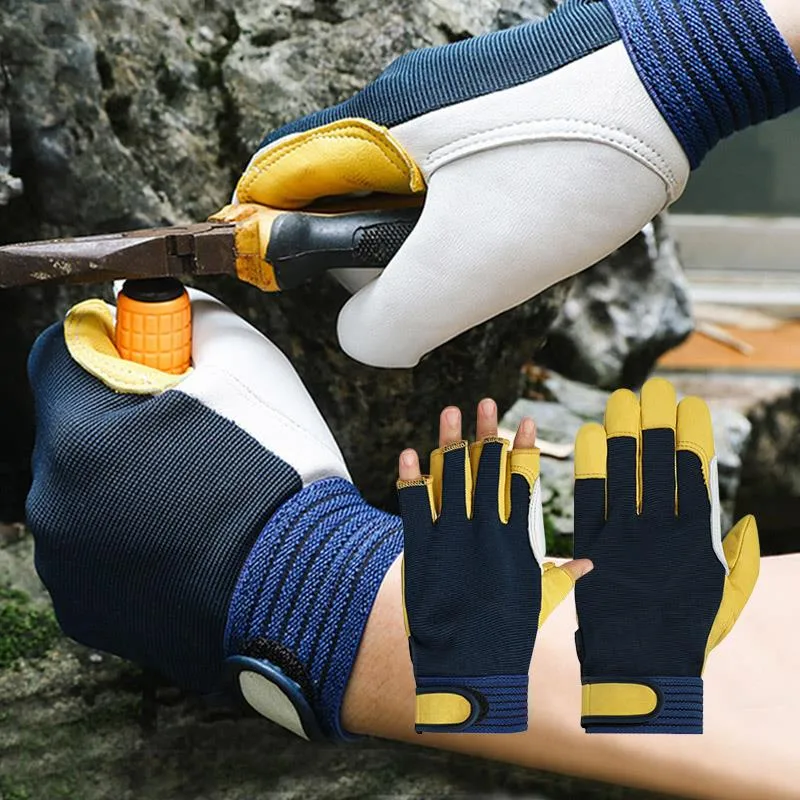
Step-by-Step Guide: How to Measure Glove Size
Step 1: Gather Your Tools
To measure your hand for glove sizing, you’ll need a flexible measuring tape or a piece of string and a ruler. A pen and paper to note measurements are also helpful.
Step 2: Measure Hand Circumference
- Wrap the Tape Around Your Hand: Hold your dominant hand open and relaxed. Wrap the measuring tape around the widest part of your hand, typically across the knuckles, excluding the thumb.
- Record the Measurement: Note the circumference in inches or centimeters. Ensure the tape is snug but not tight.
- Repeat for Accuracy: Take the measurement twice to confirm consistency.
For example, if you’re selecting PU-coated gloves, a precise hand circumference ensures a snug fit for tasks requiring dexterity.
Step 3: Measure Hand Length
- Measure from Wrist to Fingertip: Place the measuring tape at the base of your wrist (where it meets your hand) and extend it to the tip of your middle finger.
- Note the Length: Record this measurement in inches or centimeters.
- Double-Check: Repeat to ensure accuracy.
This step is particularly important for gloves like latex-coated gloves, which need to cover the entire hand for full protection.
Step 4: Compare to a Glove Sizing Chart
Most glove manufacturers, including Rilong Group, provide sizing charts based on hand circumference and length. A typical glove sizing chart looks like this:
| Glove Size | Hand Circumference (inches) | Hand Length (inches) |
|---|---|---|
| XS | 6–7 | 6.5–7 |
| S | 7–8 | 7–7.5 |
| M | 8–9 | 7.5–8 |
| L | 9–10 | 8–8.5 |
| XL | 10–11 | 8.5–9 |
| XXL | 11–12 | 9–9.5 |
Use your measurements to find the corresponding size. If your measurements fall between sizes, opt for the larger size for comfort, especially for heavy-duty gloves.
Step 5: Consider Glove Type and Fit
Different glove types may fit differently. For example:
- Snug Fit: Ideal for precision tasks, such as using anti-static gloves for electronics.
- Loose Fit: Better for breathability in tasks like gardening with garden gloves.
- Special Features: Some gloves, like impact-resistant gloves, may have padding that affects fit, so consider trying a size up.
Tips for Accurate Glove Sizing
- Measure Both Hands: Your dominant hand may be slightly larger, so measure both and use the larger measurement.
- Account for Swelling: Hands may swell during prolonged use, so consider this for gloves like welding gloves used in high-heat environments.
- Check Manufacturer Guidelines: Some brands, like Rilong Group, may have unique sizing recommendations for products like PVC-coated gloves.
- Try Before Buying: If possible, test the gloves for comfort and flexibility, especially for specialized tasks.
Common Mistakes to Avoid When Measuring Glove Size
- Measuring Too Tightly: Ensure the measuring tape is snug but not constricting to avoid selecting a size that’s too small.
- Ignoring Glove Material: Stretchy materials like nitrile or latex may fit differently than rigid materials like leather. For example, nitrile-coated gloves offer more flexibility than leather gloves.
- Not Checking Sizing Charts: Always refer to the supplier’s sizing chart, as sizes can vary between brands.
Choosing the Right Gloves After Measuring
Once you’ve determined your glove size, select gloves suited to your task:
- For construction or handling sharp objects, try anti-cut gloves.
- For food handling, consider nitrile gloves for a hypoallergenic option.
- For winter work, winter gloves provide warmth and protection.
Browse Rilong Group’s extensive catalog to find gloves in your size tailored to your industry.
Conclusion
Learning how to measure glove size is a simple yet essential skill to ensure safety, comfort, and performance in any task. By following the steps outlined—measuring hand circumference and length, consulting a sizing chart, and considering glove type—you can find the perfect fit. Explore high-quality options from Rilong Group, such as construction gloves or oil-resistant gloves, to meet your specific needs with confidence.
Need Custom Gloves Solutions?
📞 Call for Immediate Sourcing:
Michael: +86 15165509509
Sophie: +86 15806930126
📩 Email Technical Specifications:
[email protected]
[email protected]
💬 Chat on social media:


