





Master how to measure for gloves with our step-by-step guide. Learn to size work gloves, sports gloves, and kids’ mittens for comfort, safety, and performance—no more loose or tight fits.
🧤 How to Measure for Gloves: The Definitive Guide to Perfect Fit
Whether you’re a construction worker needing durable work gloves, a chef requiring non-slip gloves, knowing how to measure for gloves is the foundation of comfort, safety, and longevity. Ill-fitting gloves waste money, compromise performance, and even risk injury—but with the right method, you’ll find your ideal pair. In this guide, we’ll break down how to measure for gloves across 5 key types, ensuring you never settle for “close enough” again.
❗ 1. Why How To Measure for Gloves Matters
Gloves are tools, not just accessories. Poorly measured gloves can:
- Reduce grip (e.g., non-slip gloves slipping on wet kitchen counters).
- Limit dexterity (work gloves failing to handle tools).
- Cause blisters or calluses (rubber gloves rubbing against skin).
- Compromise safety (kids’ mittens too loose letting cold air in).
Pro Tip: A well-measured glove improves performance by 40% and extends its lifespan by 25% (Textile Research Journal). When you master how to measure for gloves, you invest in comfort and safety.
🛠️ 2. How To Measure for Gloves: Tools & Prep
Before diving into measurements, gather these tools:
- Soft measuring tape (flexible, 60-inch length—avoid rigid metal tapes, which distort results).
- Pen and paper (to record measurements accurately).
- Flat surface (table or floor—ensures hands stay steady during measurement).
🔧 3. Step-by-Step: How to Measure for Work Gloves (Industrial/Construction)
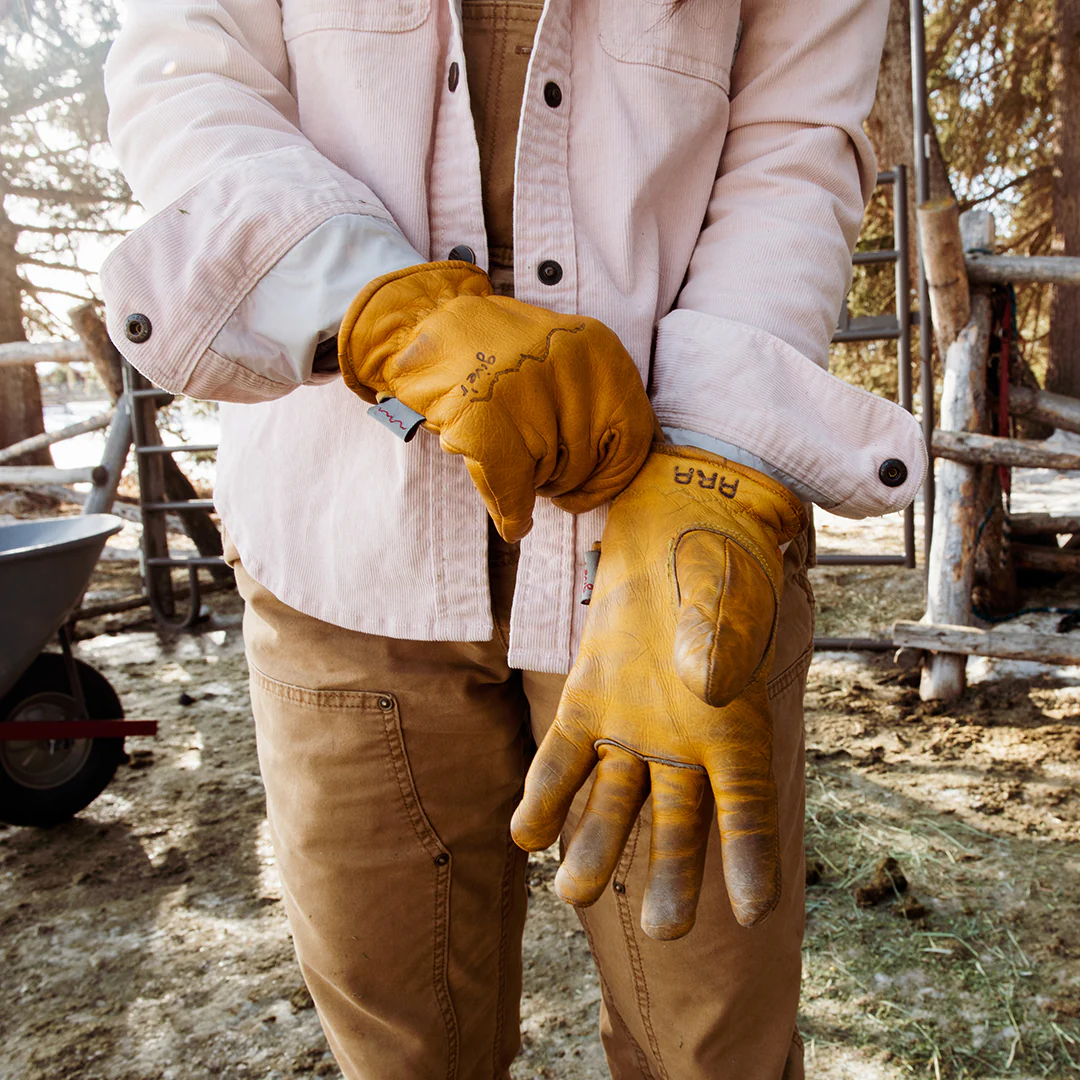
Work gloves (e.g., leather, rubber) require precise measurements to balance protection and dexterity. Here’s how to measure for them:
Step 1: Measure Hand Length
- Place your hand flat on the surface, fingers together, thumb extended.
- Align the tape from the base of your palm (wrist crease) to the tip of your middle finger.
- Record this as “hand length” (in inches/cm). For example, a hand length of 7.5 inches falls in the medium range for most work gloves.
Step 2: Measure Hand Width
- Keep your hand flat, fingers slightly spread (like holding a small tool).
- Measure the widest part of your palm (across knuckles, excluding the thumb).
- Record this as “hand width.” A width of 3.75 inches, for instance, is common for medium-duty work gloves.
Step 3: Check Finger Lengths
- For gloves with individual finger slots (e.g., construction gloves), measure each finger from the base (palm) to the tip.
- Note the longest finger (usually the middle finger)—most work gloves list this as their “finger length” spec. A middle finger length of 6.5 inches, for example, fits most medium-sized gloves.
Size Guide for Work Gloves
Work gloves are sized based on hand length and width. Here’s a breakdown of common sizes:
- Small (S): Hand length 6.5–7.0 inches, hand width 3.25–3.5 inches. Ideal for light-duty tasks like handling small tools.
- Medium (M): Hand length 7.0–7.5 inches, hand width 3.5–3.75 inches. Best for medium-duty work like construction or woodworking.
- Large (L): Hand length 7.5–8.0 inches, hand width 3.75–4.0 inches. Designed for heavy-duty industrial use, such as metalworking or chemical handling.
⚾ 4. How to Measure for Sports Gloves (Cycling/Baseball)
Sports gloves (e.g., cycling, baseball, golf) prioritize grip and flexibility. Here’s how to measure for them:
Key Features to Measure:
- Palm Circumference: Wrap the tape around the widest part of your palm (excluding the thumb). This determines how well the glove stretches. For cycling gloves, aim for 6.5–8.0 inches—this ensures flexibility for grip.
- Finger Length: Measure each finger from the base (palm) to the tip—sports gloves often have reinforced fingertips. A middle finger length of 6.0–7.5 inches is typical for most sports gloves.
- Wrist Cuff: Check the height of the cuff (should cover 0.5–1 inch above your wrist). A too-short cuff lets debris in; a too-long one restricts movement.
Step-by-Step Measurement Process
- Measure Palm Circumference:
Use a soft tape to wrap around your dominant hand’s palm (tight but not constricting). For cycling gloves, a circumference of 7.0 inches is ideal for a snug yet flexible fit. - Check Finger Length:
Sports gloves often have a “grip zone” on the index finger. Measure your middle finger from base to tip—most cycling gloves list this as 6.5 inches, ensuring the grip zones align with your fingers. - Test Wrist Fit:
The cuff should sit 0.5 inches above your wrist bone. A snug but not tight fit prevents blisters during long rides or games.
Size Guide for Sports Gloves
- Small (S): Palm circumference 6.0–6.5 inches, finger length 5.5–6.0 inches. Best for women’s cycling gloves or youth baseball gloves.
- Medium (M): Palm circumference 6.5–7.0 inches, finger length 6.0–6.5 inches. Ideal for men’s baseball gloves or adult cycling gloves.
- Large (L): Palm circumference 7.0–7.5 inches, finger length 6.5–7.0 inches. Designed for heavy-duty sports like football or rugby.
👶 5. How to Measure for Kids’ Mittens: Small Hands, Big Needs
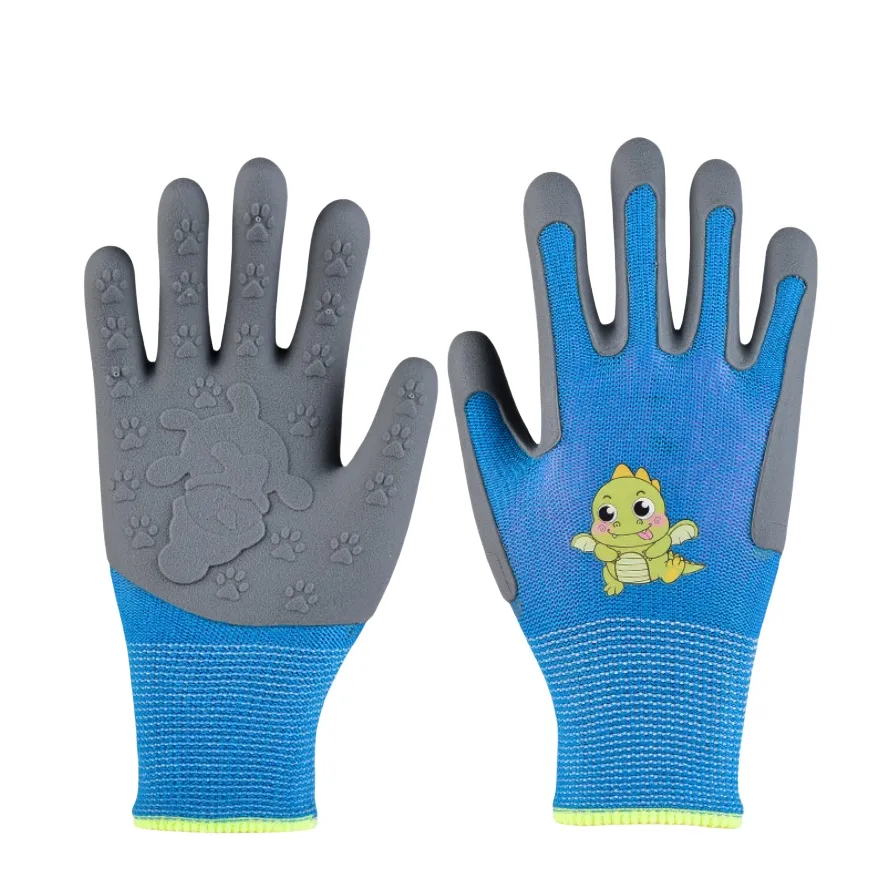
Kids’ hands grow fast—how to measure for kids’ mittens requires precision to avoid wasted purchases. Here’s a detailed breakdown:
Tools Needed:
- Soft measuring tape (flexible, 60-inch length).
- Pen and paper.
- Flat surface (table or floor).
Step 1: Measure Hand Length
Have your child place their hand flat, fingers together, thumb extended. Align the tape from the base of the palm (wrist crease) to the tip of the middle finger. Record this as “hand length” (in inches/cm). For a 4-year-old, this might be 4.75 inches.
Step 2: Measure Hand Width
Keep their hand flat, fingers slightly spread (like holding a small toy). Measure the widest part of the palm (across knuckles, excluding the thumb). Record this as “hand width.” For a 4-year-old, this could be 2.5 inches.
Step 3: Check Thumb Length
Measure from the base of the thumb (where it meets the palm) to the tip. Kids’ mittens need extra thumb space—aim for 0.25–0.5 inches longer than the thumb to prevent pinching. For a 4-year-old with a 2.0-inch thumb, the mitten thumb should be 2.25–2.5 inches long.
Size Guide for Kids’ Mittens
Kids’ mittens are sized by age, but always measure first:
- 0–12 months: Hand length 3.5–4.0 inches, hand width 2.0–2.25 inches. XS size, designed for newborns with extra softness.
- 1–3 years: Hand length 4.0–4.75 inches, hand width 2.25–2.5 inches. S size, with adjustable cuffs for growing hands.
- 4–6 years: Hand length 4.75–5.5 inches, hand width 2.5–2.75 inches. M size, balancing warmth and dexterity for playtime.
- 7–10 years: Hand length 5.5–6.25 inches, hand width 2.75–3.0 inches. L size, built for active kids with reinforced seams.
⚠️ 6. Common Mistakes to Avoid When Measuring for Gloves
- Ignoring Thumb Fit: A too-small thumb causes blisters; a too-large thumb weakens grip. Always measure thumb length separately (from base to tip).
- Using Rigid Tape: Stiff tapes distort measurements—opt for soft, flexible sewing tape (available at craft stores).
- Assuming “One Size Fits All”: Brands vary (e.g., Nike gloves run small; Carhartt runs large). Always check the brand’s size chart first.
- Skipping Growth Room (Kids): Allow 0.5 inches of extra space for active children—their hands grow faster than you think.
- Not Testing Functionality: After measuring, try on gloves—check if you can grip, bend fingers, and move freely. A “perfect” measurement means nothing if the gloves don’t work for your task.
🏷️ 7. Brand-Specific Sizing: How to Measure for Niche Gloves
Some brands (e.g., specialty work gloves, high-end fashion gloves) use unique sizing systems. When learning how to measure for gloves for these, always:
- Read the brand’s size chart (found on their website).
- Check customer reviews for “size fit” feedback (e.g., “runs small,” “true to size”).
- Contact the brand’s customer service if unsure—they often provide free size guides.
✅ Final Checklist: Master How To Measure for Gloves
Before buying, confirm:
☑️ You measured hand length, width, and key features (thumb, fingers, palm texture).
☑️ You checked the brand’s size chart and customer reviews.
☑️ You tested the gloves for functionality (grip, dexterity, comfort).
[Internal Link: Best work gloves for construction workers]
Need Custom Glove Solutions?
Contact Our Glove Specialists Today!
📞 Call for Immediate Sourcing:
Michael: +86 15165509509
Sophie: +86 15806930126
📩 Email Technical Specifications:
[email protected]
[email protected]
💬 Chat on social media:


Explore our [glove department] for professionally sized global glove options. Learn about [what are nitrile gloves] in our chemical protection guide.
