








Dive into the world of winter gloves—from their evolution to tech-driven warmth. Learn how to choose, use, and care for gloves that keep you toasty from snow shoveling to winter hikes.
Why Winter Gloves Are More Than Just a Cold-Weather Accessory
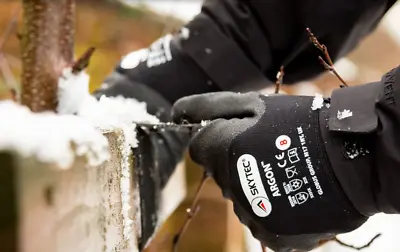
Winter gloves aren’t just for keeping hands warm—they’re a critical tool for safety, comfort, and even productivity. When temperatures plummet, unprotected hands risk frostbite in as little as 10–15 minutes. But beyond survival, winter gloves enhance daily life: they let you grip a shovel without slipping, hold a hot drink without burning your palms, or ski down a slope with precision. This guide uncovers their hidden science, how to pick the best pair, and why they deserve a spot in your cold-weather toolkit.
From Wool to Tech: The Evolution of Winter Gloves
Winter gloves have come a long way from simple cloth wraps. Let’s explore their journey through innovation:

Pre-1900s: Wool and Linen—The Basics
Early winter gloves were made from wool, linen, or animal hides. These materials provided minimal insulation but were better than nothing. They were bulky, unisex, and often shared among families—think of 19th-century farmers wearing hand-me-down woolen pairs to tend to livestock in subzero temps.
1900s: Leather and Fur—Luxury Meets Function
Leather gloves gained popularity for their durability, while fur (like rabbit or fox) added luxury. Wealthy Victorians wore embroidered leather gloves as status symbols, while laborers relied on thick woolen pairs to survive harsh winters.
1950s–1980s: Waterproofing Revolution
The invention of synthetic materials like nylon and Gore-Tex transformed winter gloves. Companies like Winters Silverskin introduced waterproof leather gloves, making them essential for outdoor work (e.g., farming, construction).
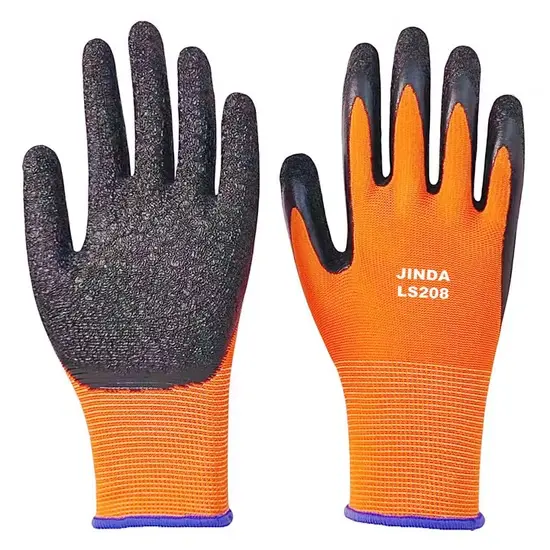
2000s–Present: Tech-Driven Comfort
Today’s winter gloves blend science and style:
- Thermoball Technology: Insulating materials like PrimaLoft mimic down feathers, trapping heat without bulk.
- Touchscreen Compatibility: Conductive threads let you use phones without removing gloves.
- Eco-Friendly Materials: Recycled polyester and vegan leather cater to sustainability-focused buyers.
Winter Gloves 101: The Science Behind Staying Warm
Not all winter gloves are created equal. Here’s what separates average pairs from ones that actually work:
1. Insulation: The Heart of Warmth
- Natural Fibers (Wool, Alpaca): Breathable and warm, but less water-resistant. Best for dry, cold climates (e.g., skiing in Colorado).
- Synthetic Fibers (PrimaLoft, Thinsulate): Lightweight, water-resistant, and quick-drying. Ideal for wet, snowy conditions (e.g., shoveling snow in Boston).
- Fleece Lining: Adds extra warmth without bulk—perfect for layering under waterproof gloves.
2. Waterproofing: Because Snow Melts, and Water Freezes
- Gore-Tex: The gold standard for waterproofing—breathes to prevent sweat buildup, keeping hands dry even during active use.
- Rubber Coatings: Affordable but less breathable; best for short-term exposure (e.g., walking to the car).
3. Grip and Dexterity: Don’t Sacrifice Function for Warmth
- Textured Palms: Silicone or rubber grips prevent slips when handling tools, steering wheels, or icy railings.
- Adjustable Cuffs: Velcro or elastic cuffs seal out snow and wind—critical for tasks like ice fishing or building a snowman.
4. Style: Warmth Doesn’t Mean Ugly
Modern winter gloves come in sleek designs:
- Leather Gloves: Sleek and professional—great for urban commutes.
- Colorful Knits: Fun patterns (e.g., plaid, neon) add personality to winter outfits.
- Minimalist Designs: Sleek, form-fitting pairs for fashion-forward users.
How to Choose the Perfect Winter Gloves for Your Lifestyle
With so many options, picking the right pair can feel overwhelming. Follow these steps:

Step 1: Identify Your Primary Use Case
- Daily Commute: Prioritize waterproofing and grip (e.g., Gore-Tex-lined leather gloves).
- Outdoor Sports (Skiing, Snowboarding): Look for lightweight, insulated gloves with touchscreen compatibility.
- Work/Industrial: Opt for durable, chemical-resistant gloves (e.g., nitrile-coated for mechanics).
Step 2: Check the Temperature Rating
Most brands list a “comfort rating” (e.g., -20°F to 30°F). Match this to your local climate—for example, if you live in Minnesota, choose gloves rated for -20°F or lower.
Step 3: Size Matters (Yes, Even for Gloves)
- Hand Length: Measure from the base of your palm to the tip of your longest finger.
- Hand Width: The widest part of your palm.
Pro Tip: Try gloves on with thick winter socks—if they’re too tight, your fingers will freeze.
Step 4: Look for These Features
- Reinforced Seams: Double-stitched seams prevent leaks and tears.
- Touchscreen Compatibility: Conductive threads let you use phones without removing gloves.
- Eco-Friendly Materials: Brands like Patagonia use recycled polyester—great for sustainability-focused buyers.
Pro Tips to Extend Their Lifespan (Because Frigid Fingers Are No Joke)
Winter gloves are an investment—extend their life with these hacks:
1. Pre-Winter Care
- Wash Gently: Use mild soap and cold water to remove dirt or oils. Avoid harsh detergents—they degrade waterproofing.
- Dry Flat: Hang gloves to air-dry (avoid direct heat, which cracks leather).
2. During Use
- Avoid Sharp Objects: Even thick gloves tear—use tools for cutting or prying.
- Rotate Pairs: Don’t wear the same gloves daily. Rotating reduces wear from repeated exposure to snow and salt.
3. Post-Winter Care
- Condition Leather: Apply a leather conditioner to prevent cracking.
- Store Properly: Keep gloves in a cool, dry place (e.g., a closet or drawer). Avoid plastic bags—they trap moisture.
Common Winter Glove Myths—Busted
Myth 1: “Thicker gloves are always warmer.”
Fact: Thickness doesn’t equal warmth—materials like PrimaLoft provide better insulation than bulky wool.
Myth 2: “Waterproof gloves never need resealing.”
Fact: Waterproofing wears off over time. Use a waterproofing spray (e.g., Nikwax) to restore it.
Myth 3: “Winter gloves can’t be stylish.”
Fact: Brands like The North Face and UGG offer sleek, fashion-forward designs that pair with coats and scarves.
FAQ: Your Top Questions About Winter Gloves Answered
Q: Can I use winter gloves for summer?
A: No—winter gloves are designed for cold, dry climates. Summer gloves prioritize breathability, which winter gloves lack.
Q: Are vegan winter gloves as warm as leather?
A: Yes—vegan leather (made from PU or recycled materials) can be just as warm, though it may not last as long.
Q: Do winter gloves protect against frostbite?
A: Properly rated gloves (e.g., -20°F) prevent frostbite, but avoid prolonged exposure even with them—limit time in extreme cold.
Final Thoughts
Winter gloves are more than just a way to stay warm—they’re a lifeline during the coldest months. By choosing the right pair for your needs and caring for them properly, you’ll stay comfortable, safe, and stylish all season long.
Ready to upgrade your winter gloves? Check out our top-rated waterproof winter gloves for commuting or insulated gloves for skiing.
Need Custom Glove Solutions?
Contact Our Glove Specialists Today!
📞 Call for Immediate Sourcing:
Michael: +86 15165509509
Sophie: +86 15806930126
📩 Email Technical Specifications:
[email protected]
[email protected]
💬 Chat on social media:


Explore our [glove department] for professionally sized global glove options. Learn about [what are nitrile gloves] in our chemical protection guide.
