








Discover how rubber gloves go beyond protection to boost productivity, hygiene, and even creativity. Dive into their versatile uses, smart selection tips, and why they’re a must-have for modern life.
Table of Contents
- Why Rubber Gloves Deserve More Credit Than They Get
- From Ancient Tools to Modern Essentials: A Brief History
- Rubber Gloves in Action: Real-Life Scenarios Where They Shine
- Natural vs. Synthetic: Which Rubber Glove Fits Your Lifestyle?
- How to Choose the Perfect Rubber Gloves (No More Guesswork)
- Pro Tips to Make Them Last (Because Waste Is Never Cool)
- Common Myths About Rubber Gloves—Debunked
- FAQ: Your Top Questions Answered
Why Rubber Gloves Deserve More Credit Than They Get
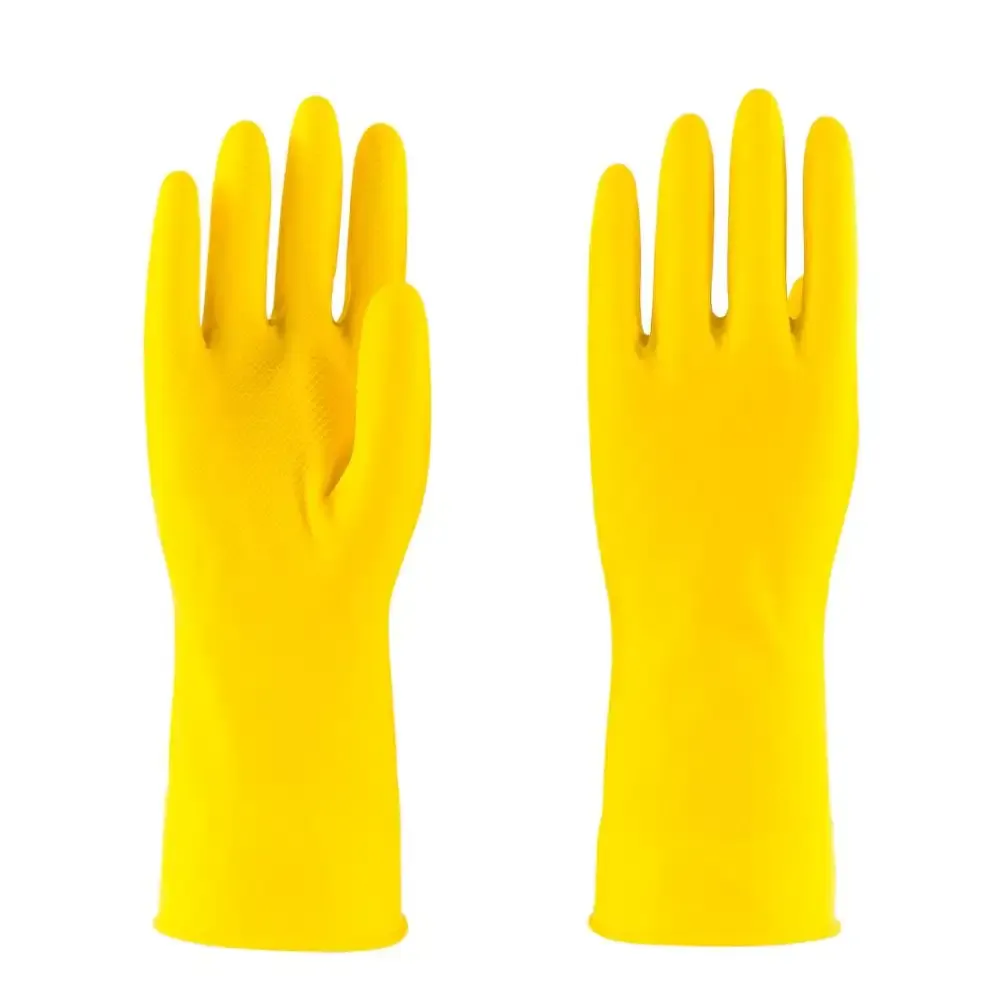
Let’s be honest: rubber gloves rarely get the spotlight. They’re the unsung heroes of kitchens, factories, hospitals, and even home workshops. Think about it: when was the last time you thanked your rubber gloves for keeping your hands clean while scrubbing a greasy pan? Or for protecting your fingers while fixing a leaky faucet?
These unassuming pieces of rubber are more than just barriers—they’re productivity boosters, safety nets, and even creativity enablers. This guide celebrates their often-overlooked versatility and shows you how to make the most of them in 2025.
From Ancient Tools to Modern Essentials: A Brief History
Rubber gloves have come a long way from their humble beginnings.
1800s: The Birth of a Game-Changer
In 1823, Scottish chemist Charles Macintosh patented a process to waterproof fabric using rubber, laying the groundwork for early rubber gloves. By the late 1800s, they were a staple in medical settings (to prevent infection) and industrial labs (to handle harsh chemicals).
1900s: Latex Revolutionizes the Game
The discovery of natural rubber latex (from rubber trees) transformed glove production. Latex gloves offered unmatched elasticity and grip, making them indispensable in healthcare (surgical gloves) and food service (hygiene-focused tasks).
2000s: Synthetic Innovations for All
With rising latex allergies, synthetic alternatives like nitrile, neoprene, and PVC emerged. These materials retained rubber’s benefits while addressing safety concerns, expanding rubber gloves into new markets—from automotive work to beauty salons.
https://example.com/rubber-gloves-history.jpg
Rubber Gloves in Action: Real-Life Scenarios Where They Shine
Rubber gloves aren’t just for “dirty jobs”—they enhance performance in unexpected ways. Here are three real-world stories that prove their worth:
1. Maria, the Home Chef: Precision Meets Hygiene
Maria, a busy mom and part-time caterer, used to hate handling raw chicken. “My hands would smell like chicken juice for hours,” she says. Then she switched to food-safe nitrile gloves. Now, she preps salads and handles meat with zero cross-contamination—and her hands stay fresh. “Plus, the gloves make peeling garlic a breeze—I don’t even need a knife!”
2. Raj, the Auto Mechanic: Safety Without Sacrificing Grip
Raj spends his days under cars, dealing with oil, grease, and rust. “Old gloves would tear halfway through the day,” he admits. He now uses thick nitrile gloves with reinforced fingertips. “They last 3x longer, and the grip is so good I can twist bolts faster. My boss even noticed—I got a raise!”
3. Dr. Lee, the Dentist: Sterility Saves Lives
Dr. Lee’s clinic switched to latex-free nitrile gloves after a patient with a latex allergy had a reaction. “Now, every patient feels safe,” she says. “The gloves are thin enough for precise work (like filling cavities) but tough enough to block germs. My team’s infection rates dropped by 40%.”
Natural vs. Synthetic: Which Rubber Glove Fits Your Lifestyle?
Not all rubber gloves are created equal. The material determines their strengths—and their ideal use cases.
1. Natural Rubber (Latex): The Classic Choice
- Pros: Unmatched elasticity and “second-skin” feel. Perfect for tasks requiring precision (e.g., food prep, medical exams).
- Cons: Latex allergies affect 1–6% of people; they degrade when exposed to oil or chemicals.
- Best For: Home cooks, nurses, and anyone needing dexterity and comfort.
2. Synthetic Rubber: The Modern Upgrade
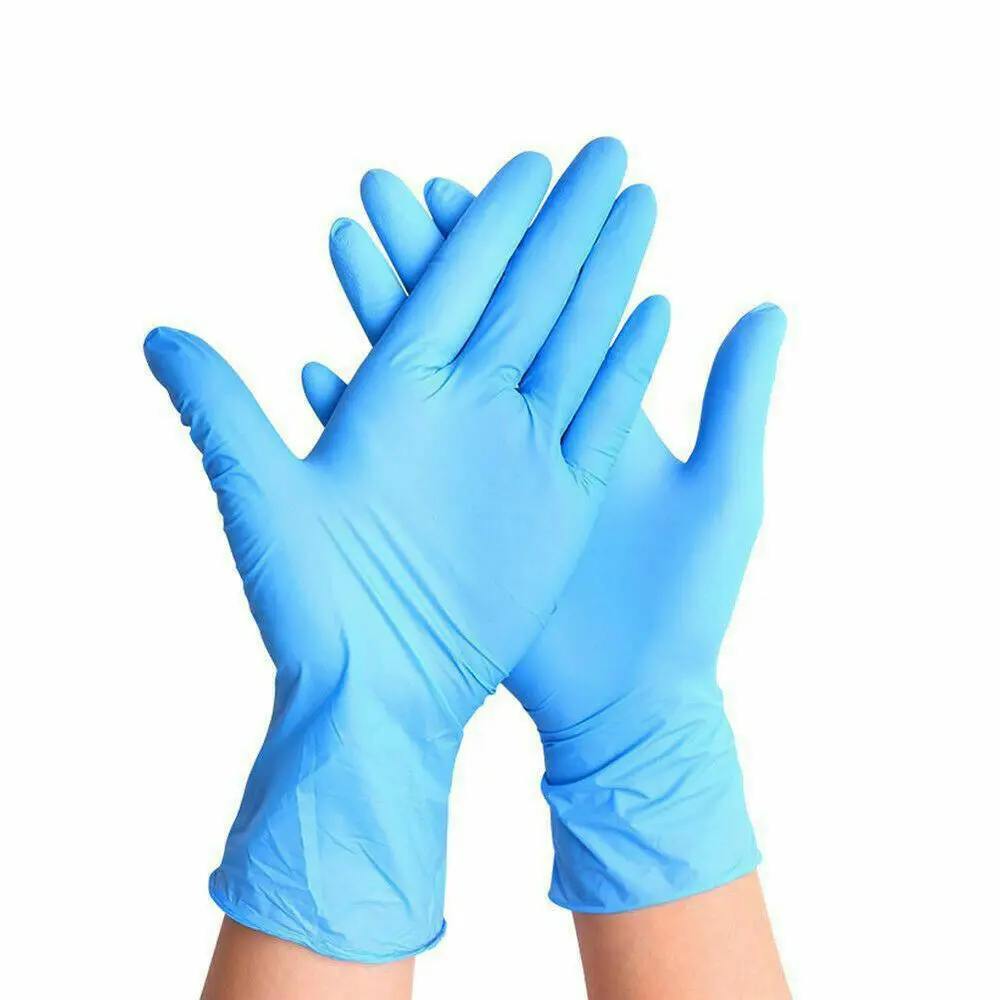
- Nitrile: Latex-free, puncture-resistant, and chemical-resistant. Ideal for industrial settings (auto repair, chemical handling) or latex-sensitive users.
- Neoprene: Heat-resistant (up to 200°F) and oil-resistant. Great for welding, construction, or tasks involving high temperatures.
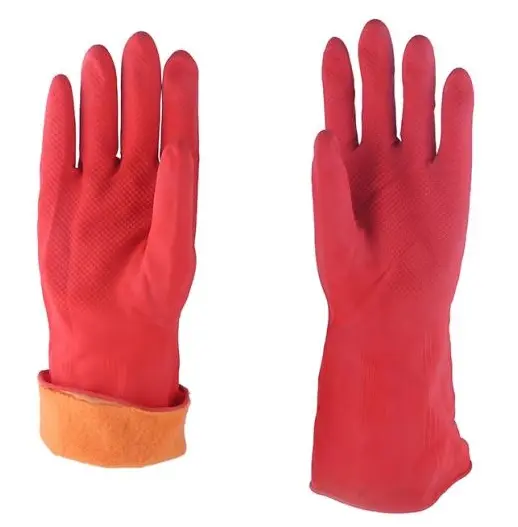
- PVC: Waterproof and affordable. Best for light-duty tasks (dishwashing, gardening) where durability isn’t critical.
Pro Tip: Always check labels—if you’re allergic to latex, skip “natural rubber” and opt for “nitrile” or “synthetic.”
How to Choose the Perfect Rubber Gloves (No More Guesswork)
With so many options, picking the right pair can feel overwhelming. Follow these steps to avoid wasting money:
Step 1: Define Your Primary Use Case
- Home/Kitchen: Prioritize thin-to-medium thickness (3–5 mil) for grip and dexterity. Look for “food-safe” certifications (e.g., FDA 21 CFR 177).
- Industrial/Workplace: Opt for thick, chemical-resistant synthetic gloves (5–8 mil). Check for OSHA compliance and reinforced cuffs.
- Medical/Lab: Choose latex-free (nitrile) gloves certified by ASTM (medical-grade) or FDA (food-safe).
Step 2: Size Matters—Don’t Ignore It
A glove that’s too tight cuts circulation; one too loose slips off. Use a soft measuring tape to find your:
- Hand length: From the base of your palm to the tip of your longest finger.
- Hand width: The widest part of your palm.
Most brands offer size charts—match your measurements to avoid frustration.
Step 3: Look for These Features
- Reinforced Seams: Double-stitched or welded seams prevent tears at stress points.
- Ambidextrous Design: Works for both left and right hands—ideal for multi-taskers.
- Breakage Resistance: Puncture-resistant materials (e.g., nitrile) extend lifespan.
Pro Tips to Make Them Last (Because Waste Is Never Cool)
Rubber gloves aren’t cheap—extend their life with these hacks:
1. Pre-Use Care
- Wash Hands First: Oils, lotions, or dirt weaken rubber. Wash with soap and dry thoroughly before putting gloves on.
- Dry Gloves After Use: Hang them to air-dry (avoid direct sunlight, which causes cracking).
2. Avoid Common Mistakes
- Don’t Use Sharp Objects: Even thick rubber tears—use tools for cutting or piercing tasks.
- Rotate Pairs: Don’t wear the same gloves daily. Rotating reduces wear from repeated exposure to chemicals or heat.
3. Clean & Store Properly
- Mild Soap & Water: Wipe gloves with a damp cloth for light cleaning. Avoid harsh chemicals (bleach, acetone) that degrade rubber.
- Store in a Cool, Dry Place: Keep them in a sealed container or bag to prevent dust or insect damage. Never fold them—folds create weak spots.

Common Myths About Rubber Gloves—Debunked
Myth 1: “All rubber gloves are latex-free.”
Fact: Natural rubber gloves are made from latex. Opt for “nitrile” or “synthetic” labels if you have allergies.
Myth 2: “Thicker gloves are always better.”
Fact: Thick gloves reduce dexterity—match thickness to your task (e.g., thin gloves for food prep, thick for industrial work).
Myth 3: “Rubber gloves never need replacing.”
Fact: Even the toughest gloves degrade over time. Replace them if they tear, crack, or lose elasticity.
FAQ: Your Top Questions Answered
Q: Can I use rubber gloves for dishwashing?
A: Yes—PVC or nitrile gloves (thin-to-medium thickness) work well. Avoid natural rubber if you have latex allergies.
Q: Are rubber gloves recyclable?
A: Most aren’t biodegradable, but some brands (e.g., Terracycle) offer recycling programs. Check the brand’s website for details.
Q: Do rubber gloves protect against COVID-19?
A: They can reduce contact transmission, but they’re not a substitute for handwashing or masks. Change them frequently and avoid touching your face.
Final Thoughts
Rubber gloves are more than just a tool—they’re a daily essential that bridges safety, hygiene, and efficiency across countless tasks. By choosing the right pair for your needs and maintaining them properly, you’ll extend their lifespan and stay protected in every scenario—from washing dishes to fixing a car.
Ready to upgrade your rubber gloves? Check out our top-rated nitrile rubber gloves for industrial use or food-safe PVC gloves for kitchens.
Need Custom Glove Solutions?
Contact Our Glove Specialists Today!
📞 Call for Immediate Sourcing:
Michael: +86 15165509509
Sophie: +86 15806930126
📩 Email Technical Specifications:
[email protected]
[email protected]
💬 Chat on social media:


Explore our [glove department] for professionally sized global glove options. Learn about [what are nitrile gloves] in our chemical protection guide.
