





Introduction to Fingerless Work Gloves
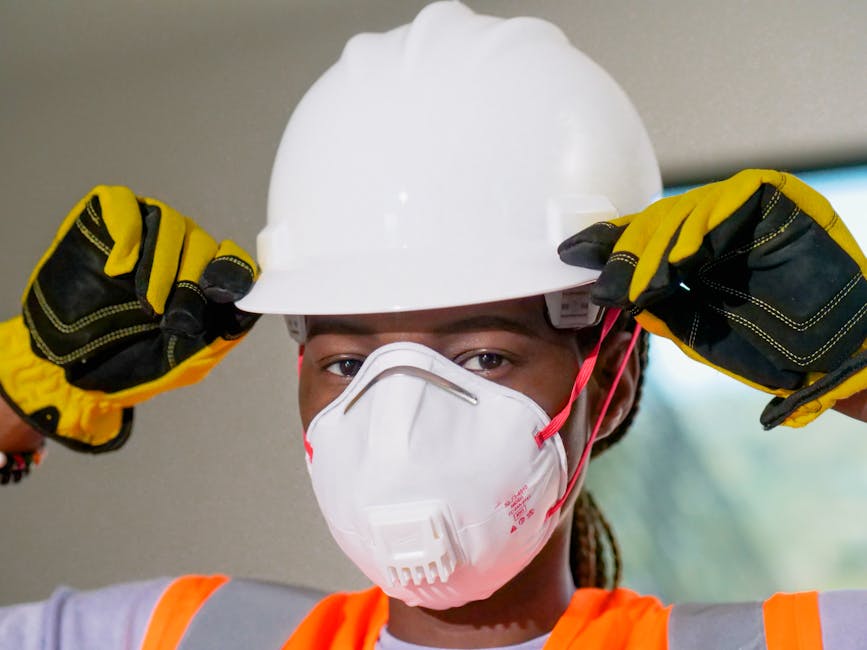
Fingerless work gloves offer a practical and effective solution for industrial workers who require hand protection without the inconvenience of wearing full-fingered gloves. These gloves provide a balance between safety and mobility, making them ideal for tasks that involve repetitive motions, fine manipulation, or the use of tools.
For example, in a manufacturing setting, fingerless gloves can help prevent cuts, abrasions, and other hand injuries while allowing workers to perform tasks quickly and efficiently. In the food and beverage industry, these gloves can help prevent cross-contamination and ensure food safety.
Key Features of Fingerless Work Gloves
- Enhanced dexterity and flexibility: Fingerless gloves allow workers to maintain their grip and control over tools, reducing the risk of dropping or damaging equipment. This feature is particularly important in applications where fine manipulation is required.
- Reduced risk of hand injuries: By protecting only the back of the hand and fingers, fingerless gloves reduce the surface area exposed to potential hazards. This can help prevent cuts, abrasions, and other injuries that may occur with full-fingered gloves.
- Lightweight and breathable: Many fingerless work gloves are designed with lightweight and breathable materials, ensuring that workers remain comfortable and can perform tasks for extended periods without feeling restricted or overheated.
- Water and oil-resistant: These gloves are designed to withstand exposure to water, oil, and other chemicals, making them ideal for use in environments where these substances are present.
- Heat-resistant: Fingerless work gloves can be made from materials that provide protection against high temperatures, making them suitable for use in applications where workers may be exposed to heat or flames.
Materials Used in Fingerless Work Gloves
- Nitrile rubber: Nitrile rubber is a popular material for fingerless work gloves due to its durability, flexibility, and resistance to oils, heat, and chemicals.
- Latex: Latex gloves offer excellent dexterity and flexibility, but they are less durable than nitrile gloves and can be prone to tearing. They are ideal for applications where workers need a high level of dexterity.
- PVC: PVC gloves are lightweight, flexible, and resistant to water, oil, and chemicals. They are commonly used in food and beverage processing applications.
- Elastane: Elastane is a stretchy material that provides added comfort and flexibility to fingerless work gloves. It helps ensure a secure fit and reduces the risk of slippage.
- Cut-resistant fibers: Some fingerless work gloves are made with cut-resistant fibers, such as Kevlar or Dyneema, to provide additional protection against cuts and abrasions.
Applications of Fingerless Work Gloves
- Manufacturing and assembly: In manufacturing and assembly applications, fingerless gloves can help prevent cuts, abrasions, and other hand injuries while allowing workers to perform tasks quickly and efficiently. They are commonly used in automotive, electronics, and other industries where fine manipulation is required.
- Food and beverage processing: Fingerless gloves are essential in food and beverage processing applications to prevent cross-contamination and ensure food safety. They are commonly used in meat processing, dairy production, and bakery operations.
- Automotive industry: In the automotive industry, fingerless gloves can help prevent cuts and abrasions while working with tools and equipment. They are commonly used in painting, upholstery, and body repair applications.
- Healthcare and sanitation: Fingerless gloves are essential in healthcare and sanitation applications to prevent the spread of infection and maintain hygiene. They are commonly used in nursing, laboratory, and janitorial operations.
- Construction and demolition: In construction and demolition applications, fingerless gloves can help prevent cuts, abrasions, and other hand injuries while working with tools and equipment. They are commonly used in carpentry, roofing, and concrete work applications.
Advantages of Using Fingerless Work Gloves
- Increased productivity due to reduced time spent donning and doffing gloves: Fingerless gloves can be put on and taken off quickly, reducing the time workers spend changing gloves throughout the day. This can help increase productivity and reduce downtime.
- Reduced risk of hand fatigue and injuries: By protecting only the back of the hand and fingers, fingerless gloves reduce the surface area exposed to potential hazards. This can help prevent hand fatigue and injuries that may occur with full-fingered gloves.
- Comfortable fit for extended periods of use: Many fingerless work gloves are designed with lightweight and breathable materials, ensuring that workers remain comfortable and can perform tasks for extended periods without feeling restricted or overheated.
- Easy to clean and disinfect: Fingerless gloves are often made with materials that are easy to clean and disinfect, making them ideal for use in healthcare and sanitation applications. They can be washed in hot water and disinfected using common disinfectants.
Choosing the Right Fingerless Work Gloves
When selecting fingerless work gloves, consider the specific needs of your industry and the tasks your workers will be performing. Look for gloves that are made from durable materials, have excellent grip, and provide the appropriate level of protection for the hazards present in your workplace.
For example, in a food and beverage processing environment, it is important to choose gloves that are water and oil-resistant, as well as easy to clean and disinfect. In an automotive industry setting, it is important to choose gloves that are heat-resistant and provide excellent dexterity and flexibility.
Some additional factors to consider when choosing fingerless work gloves include:
- Fit: Ensure that the gloves fit snugly but comfortably. Gloves that are too loose may not provide adequate protection, while gloves that are too tight may cause discomfort and restrict movement.
- Color: Some industries, such as healthcare, may require gloves to be in a specific color for identification purposes. Ensure that the gloves you choose meet any color requirements for your industry.
- Price: While cost is an important factor to consider, it is important to balance price with quality and durability. Look for gloves that are made from high-quality materials and have excellent performance.
FAQ
Q: What are the main advantages of fingerless work gloves?
A: Fingerless work gloves offer several advantages, including enhanced dexterity and flexibility, reduced risk of hand injuries, lightweight and breathable materials, water and oil resistance, and heat resistance.
Q: What are some common materials used in fingerless work gloves?
A: Some common materials used in fingerless work gloves include nitrile rubber, latex, PVC, elastane, and cut-resistant fibers.
Q: What industries are fingerless work gloves commonly used in?
A: Fingerless work gloves are commonly used in manufacturing and assembly, food and beverage processing, automotive industry, healthcare and sanitation, and construction and demolition.
Q: How can I choose the right fingerless work gloves for my industry?
A: When choosing fingerless work gloves, consider the specific needs of your industry and the tasks your workers will be performing. Look for gloves that are made from durable materials, have excellent grip, and provide the appropriate level of protection for the hazards present in your workplace.
Q: Are fingerless work gloves easy to clean and disinfect?
A: Yes, many fingerless work gloves are made with materials that are easy to clean and disinfect, making them ideal for use in healthcare and sanitation applications. They can be washed in hot water and disinfected using common disinfectants.
