





Why Construction Site Hand Safety Matters
Construction sites are bustling hubs of activity, where workers handle heavy machinery, sharp tools, and hazardous materials daily. Amidst this dynamic environment, construction site hand safety is paramount. Hands are the primary tools for most tasks, and injuries can lead to downtime, medical expenses, and long-term complications. According to industry data, hand injuries account for a significant portion of workplace accidents, with cuts, abrasions, and punctures being the most common.
Protecting your hands isn’t just about avoiding injury—it’s about maintaining productivity and ensuring you can perform your job effectively. This guide explores practical steps, essential gear, and innovative glove solutions to keep your hands safe on the job.
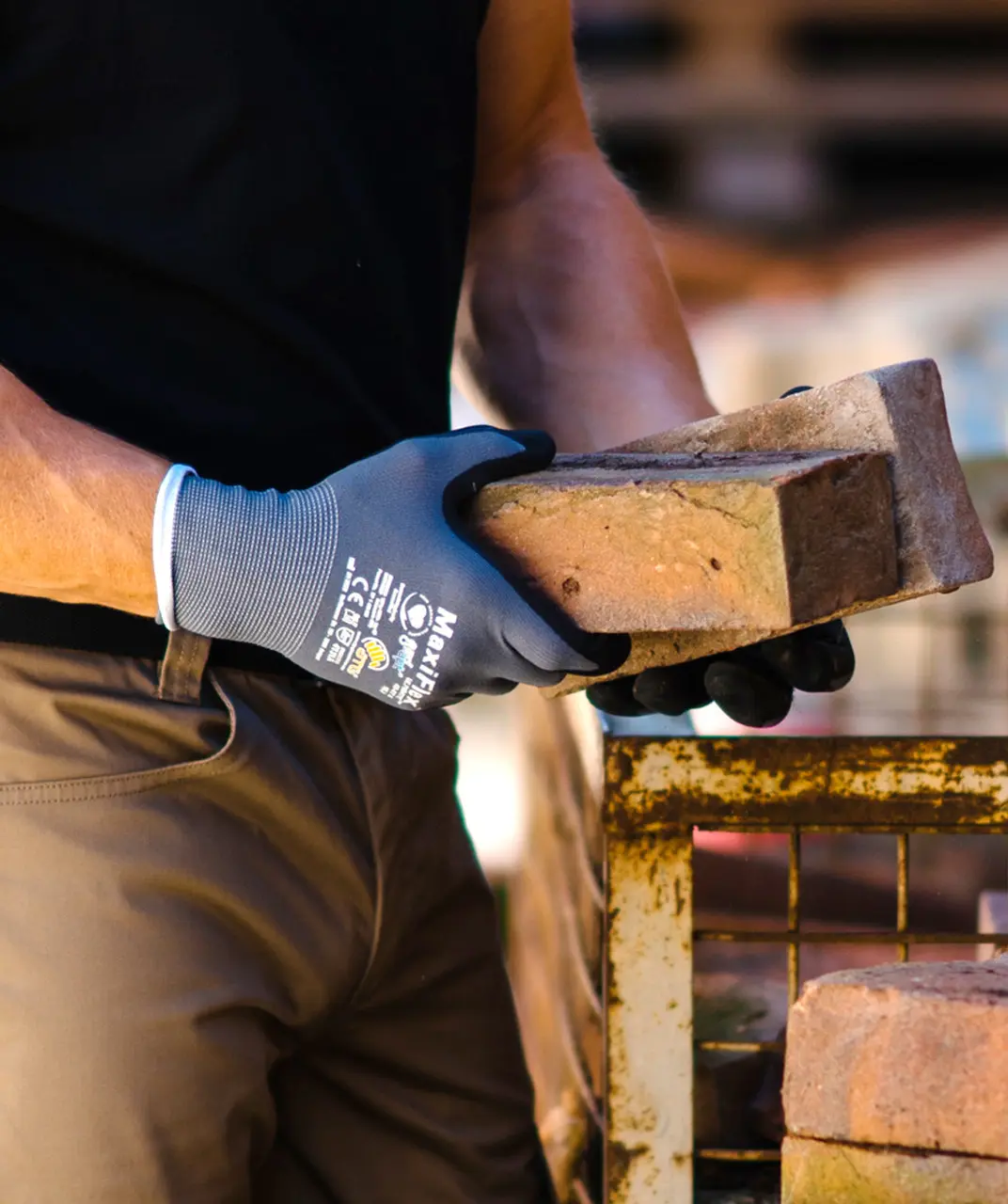
Common Hand Hazards on Construction Sites
Construction sites expose workers to a variety of risks that can compromise hand safety. Understanding these hazards is the first step to prevention:
- Cuts and Lacerations: Sharp tools, metal edges, and glass pose constant threats.
- Impact Injuries: Falling objects or heavy machinery can crush or bruise hands.
- Chemical Burns: Exposure to cement, adhesives, or other chemicals can cause severe skin damage.
- Abrasions and Punctures: Rough surfaces and protruding nails can scrape or pierce skin.
- Vibration and Repetitive Strain: Prolonged use of vibrating tools can lead to conditions like carpal tunnel syndrome.
By recognizing these risks, workers can take proactive measures to protect their hands, starting with the right protective gear.
Choosing the Right Gloves for Construction Site Hand Safety
Selecting the appropriate gloves is critical for ensuring construction site hand safety. The right pair can shield your hands from specific hazards while maintaining dexterity and comfort. Here’s a breakdown of glove types suited for construction tasks:
1. Cut-Resistant Gloves
For tasks involving sharp tools or materials, cut-resistant gloves are a must. These gloves, such as the Anti-Cut Gloves Level 5, offer high-level protection against cuts and punctures, making them ideal for handling rebar, glass, or metal sheets.
2. Impact-Resistant Gloves
When working with heavy machinery or in areas with falling debris, Impact Protection Gloves provide cushioning and protection against impact injuries. These gloves are designed to absorb shock while allowing flexibility.
3. Latex-Coated Gloves
For tasks requiring a strong grip, such as carrying wet or slippery materials, Latex-Coated Work Gloves are an excellent choice. Their textured coating enhances grip and protects against abrasions.
4. Nitrile-Coated Gloves
Workers handling chemicals or oily surfaces benefit from Nitrile-Coated Gloves. These gloves resist oil and chemicals, ensuring your hands stay safe and clean.
5. Heavy-Duty Gloves
For all-around protection in demanding environments, Heavy-Duty Work Gloves offer durability and resistance to multiple hazards, including cuts, impacts, and abrasions.
When choosing gloves, consider the specific tasks you’ll perform, the materials you’ll handle, and the level of dexterity required. Always opt for gloves that meet industry standards, such as EN388 for cut resistance.
Best Practices for Construction Site Hand Safety
Beyond wearing the right gloves, adopting safe work practices is essential for protecting your hands. Here are some actionable tips:
- Conduct Regular Hand Inspections: Before starting work, check your hands for cuts, bruises, or skin irritations. Even minor injuries can worsen with exposure to construction hazards.
- Use Tools Correctly: Improper tool use is a leading cause of hand injuries. Ensure tools are in good condition and use them as intended.
- Maintain Clean Workspaces: Clear debris, sharp objects, and spills to reduce the risk of accidental cuts or slips.
- Take Breaks to Avoid Fatigue: Repetitive tasks can lead to strain injuries. Schedule breaks to rest your hands and maintain focus.
- Train and Educate Workers: Ensure all team members are trained in construction site hand safety protocols, including proper glove use and hazard awareness.
The Role of Technology in Hand Safety
Advancements in glove technology have revolutionized construction site hand safety. Modern gloves combine lightweight materials with high-performance coatings to offer superior protection without sacrificing comfort. For example, PU-coated gloves provide excellent dexterity for precision tasks, while nitrile gloves offer robust chemical resistance. Innovations like touchscreen-compatible gloves also allow workers to use devices without removing their gloves, reducing exposure to hazards.
Investing in high-quality gloves tailored to your specific needs can make a significant difference in safety and productivity. Explore options like the PU-Coated Work Gloves for a balance of flexibility and protection.
Creating a Culture of Safety
Promoting construction site hand safety goes beyond individual efforts—it requires a company-wide commitment. Employers can foster a safety-first culture by:
- Providing high-quality personal protective equipment (PPE) like gloves and ensuring they’re readily available.
- Conducting regular safety training sessions to educate workers on hand safety best practices.
- Encouraging workers to report hazards and near-misses to prevent future incidents.
- Investing in ergonomic tools and equipment to reduce strain and injury risks.
By prioritizing hand safety, companies not only protect their workers but also enhance overall site efficiency and morale.
Conclusion: Prioritize Your Hands, Prioritize Your Future
Construction site hand safety is not just a precaution—it’s a necessity. By choosing the right gloves, adopting safe work practices, and fostering a culture of safety, workers can protect their hands from the myriad risks present on construction sites. High-quality gloves, such as those offered by Rilong, provide the durability and protection needed to tackle tough jobs with confidence.
Invest in your hand safety today to ensure you can keep building tomorrow. Explore our range of protective gloves and take the first step toward a safer, more productive worksite.
