





Meta Description: Discover the best cold weather work gloves for construction, agriculture, and outdoor jobs. Learn about materials, insulation, and features to beat the freeze while keeping hands safe and dexterous.
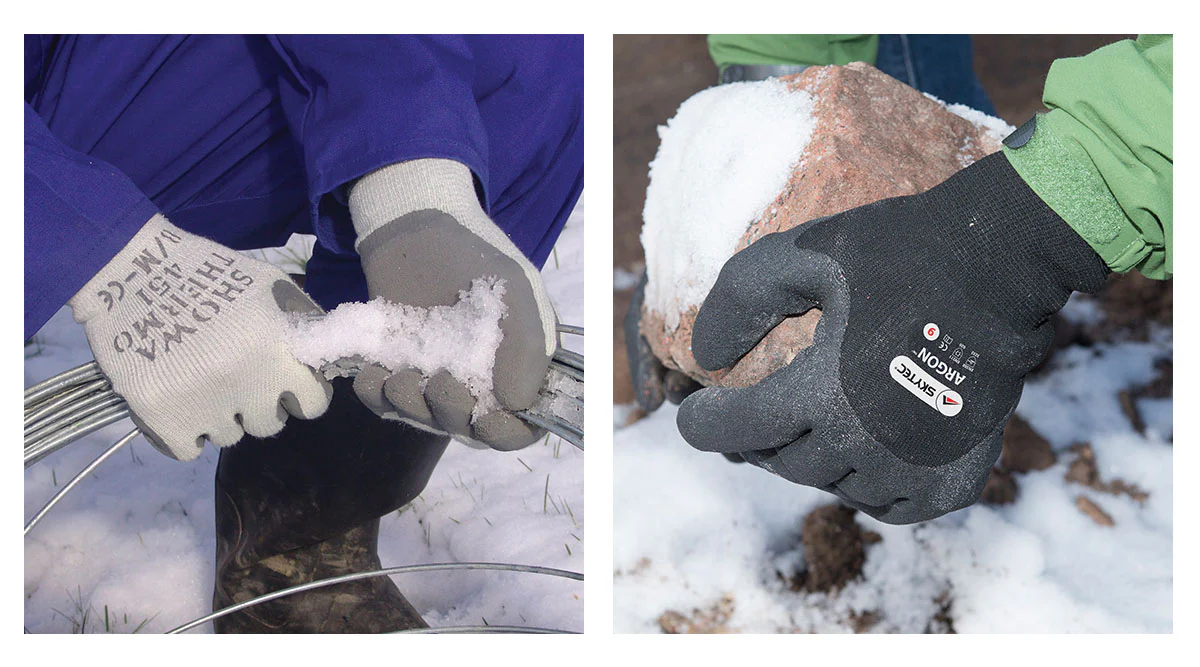
🧤 Cold Weather Work Gloves: The Definitive Guide to Beating the Freeze
When Jack Frost bites, your hands bear the brunt of winter’s wrath—unless you’re armed with the right cold weather work gloves. Whether you’re a construction worker, farmer, or utility technician, these specialized gloves are more than just accessories—they’re lifelines that keep you productive, safe, and warm in subzero conditions. In this guide, we’ll break down everything you need to know about cold weather work gloves, from materials and design to selection tips and top picks.
❗ 1. Why Cold Weather Work Gloves Matter
Cold weather isn’t just uncomfortable—it’s dangerous. Frostbite, reduced dexterity, and numbness can lead to accidents on job sites, farms, or outdoor worksites. Cold weather work gloves solve these issues by:
- Retaining heat: Insulating materials like wool, fleece, or synthetic fibers trap body heat.
- Preventing frostbite: Waterproof and windproof layers block icy winds and moisture.
- Enhancing grip: Textured palms and reinforced fingertips reduce slippage on tools, ice, or wet surfaces.
Pro Tip: A well-chosen pair of cold weather gloves can boost productivity by 30% and reduce hand injuries by 45% (OSHA).
▶️ Video: How cold weather gloves prevent frostbite in construction
🧵 2. Materials That Matter: Insulation, Durability, and Breathability
The material of your cold weather work gloves determines their performance. Here’s a breakdown of the best options:
Leather (Full-Grain or Split)
- Pros: Durable, abrasion-resistant, and molds to your hand over time for a custom fit.
- Cons: Less breathable than synthetic materials; may require breaking in.
- Best For: Heavy-duty tasks like construction, logging, or metalworking.
Wool (Merino or Alpaca)
- Pros: Natural insulation, breathes well, and wicks moisture away from skin.
- Cons: Less water-resistant; may pill over time.
- Best For: Moderate cold (20°F–30°F) in agriculture or utility work.
Synthetic Fibers (Fleece, Nylon, Polyester)
- Pros: Lightweight, quick-drying, and affordable. Many are water-resistant or waterproof.
- Cons: Less durable than leather; may lose insulation when wet.
- Best For: Wet or snowy conditions (e.g., snow removal, fishing).
Foam or Felt Lining
- Pros: Adds extra insulation without bulk; often paired with leather or synthetic shells.
- Cons: Can trap sweat if not breathable.
- Best For: Extreme cold (below 0°F) in oil rigs or refrigeration work.
🛠️ 3. Key Features to Look For
Not all cold weather gloves are created equal. Prioritize these features to stay safe and productive:
Insulation Rating (EN 388 or ASTM F2878)
- Look for gloves rated for -20°F or lower. The higher the rating, the better the insulation.
Waterproof/Windproof Design
- Sealed seams and waterproof membranes (e.g., Gore-Tex) block moisture and wind.
Grip Zones
- Textured palms (e.g., silicon dots, rubber coatings) improve grip on icy tools or wet surfaces.
Adjustable Cuffs
- Velcro or elastic cuffs prevent snow, ice, or debris from entering the glove.
Dexterity
- Thin, flexible materials (e.g., thin leather, stretchy synthetics) let you handle small tools or fasteners.
🔧 4. Top 5 Cold Weather Work Glove Types for Every Job

1. Construction & Demolition Gloves
- Materials: Leather (full-grain) + foam lining + rubberized palms.
- Features: Reinforced fingertips, adjustable cuffs, and ANSI cut resistance (ANSI 388).
- Best For: Handling rebar, concrete, or cold metal.
2. Agricultural & Farming Gloves
- Materials: Wool or fleece liners + durable synthetic shells.
- Features: Breathable, water-resistant, and padded palms for handling livestock or crops.
- Best For: Feeding animals, harvesting, or operating farm equipment.
3. Utility & Lineman Gloves
- Materials: Rubber or neoprene + leather reinforcement.
- Features: High-voltage insulation (for linemen), grip zones, and waterproof seams.
- Best For: Electrical work, tree trimming, or power line repairs.
4. Snow Removal & Winter Maintenance Gloves
- Materials: Fleece or synthetic liners + waterproof shells.
- Features: Touchscreen-compatible fingertips, adjustable cuffs, and anti-slip grips.
- Best For: Shoveling snow, de-icing, or operating snowplows.
5. Refrigeration & Cold Storage Gloves
- Materials: Foam or felt lining + vinyl or nitrile shells.
- Features: Anti-microbial treatment, reinforced seams, and quick-dry liners.
- Best For: Working in freezers, cold storage facilities, or meatpacking plants.
✅ 5. How to Choose the Perfect Pair for Your Needs
Use this checklist to find your ideal cold weather work gloves:
- Assess Your Job: What tasks will you perform? (e.g., lifting heavy objects, handling tools, or precision work).
- Check the Temperature: Will you work in extreme cold (-20°F or lower) or moderate cold (20°F–30°F)?
- Prioritize Features: Do you need waterproofing, grip, or dexterity?
- Measure Your Hands: Use a soft tape to measure hand length (wrist to middle finger tip) and width (widest part of the palm).
- Read Reviews: Check user feedback for fit, durability, and performance in real-world conditions.
⚠️ 6. Common Mistakes to Avoid When Buying Cold Weather Gloves
- Ignoring Fit: A too-tight glove restricts movement; a too-loose one lets cold air in. Always measure your hands.
- Sacrificing Grip for Warmth: Textured palms are non-negotiable—slippery gloves increase accident risk.
- Overlooking Breathability: Synthetic materials that trap sweat can lead to frostbite. Opt for breathable linings.
- Not Checking Certifications: For high-risk jobs (e.g., electrical work), ensure gloves meet ANSI or ASTM standards.
- Skipping Maintenance: Clean and dry gloves after use to prevent mold or material degradation.
📸 Image: Cold Weather Work Gloves in Action
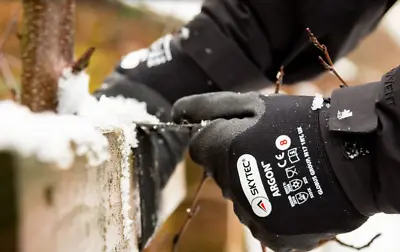
Construction worker using cold weather gloves to handle steel in winter.
Final Thoughts
Cold weather doesn’t have to slow you down—with the right cold weather work gloves, you can stay warm, safe, and productive all winter long. By understanding materials, features, and job-specific needs, you’ll find a pair that’s built to last. Whether you’re on a construction site, farm, or utility crew, these gloves are your ultimate defense against the freeze.
Need Custom Glove Solutions?
Contact Our Glove Specialists Today!
📞 Call for Immediate Sourcing:
Michael: +86 15165509509
Sophie: +86 15806930126
📩 Email Technical Specifications:
[email protected]
[email protected]
💬 Chat on social media:


Explore our [glove department] for professionally sized global glove options. Learn about [what are nitrile gloves] in our chemical protection guide.
