








When temperatures drop, cold weather gloves become essential for protecting your hands from harsh conditions while maintaining comfort and functionality. Whether you’re working outdoors, engaging in winter sports, or simply braving the cold, selecting the right gloves is crucial. This comprehensive guide explores the features, benefits, and considerations for choosing cold weather gloves, helping you find the perfect pair from trusted suppliers like Rilong Group.
Why Cold Weather Gloves Are Essential
Cold weather gloves are designed to shield your hands from freezing temperatures, wind, and moisture while ensuring dexterity for tasks like construction, gardening, or skiing. Poorly designed gloves can lead to discomfort, reduced grip, or even frostbite in extreme conditions. By choosing high-quality gloves, such as winter gloves, you can stay warm and productive in any cold environment.
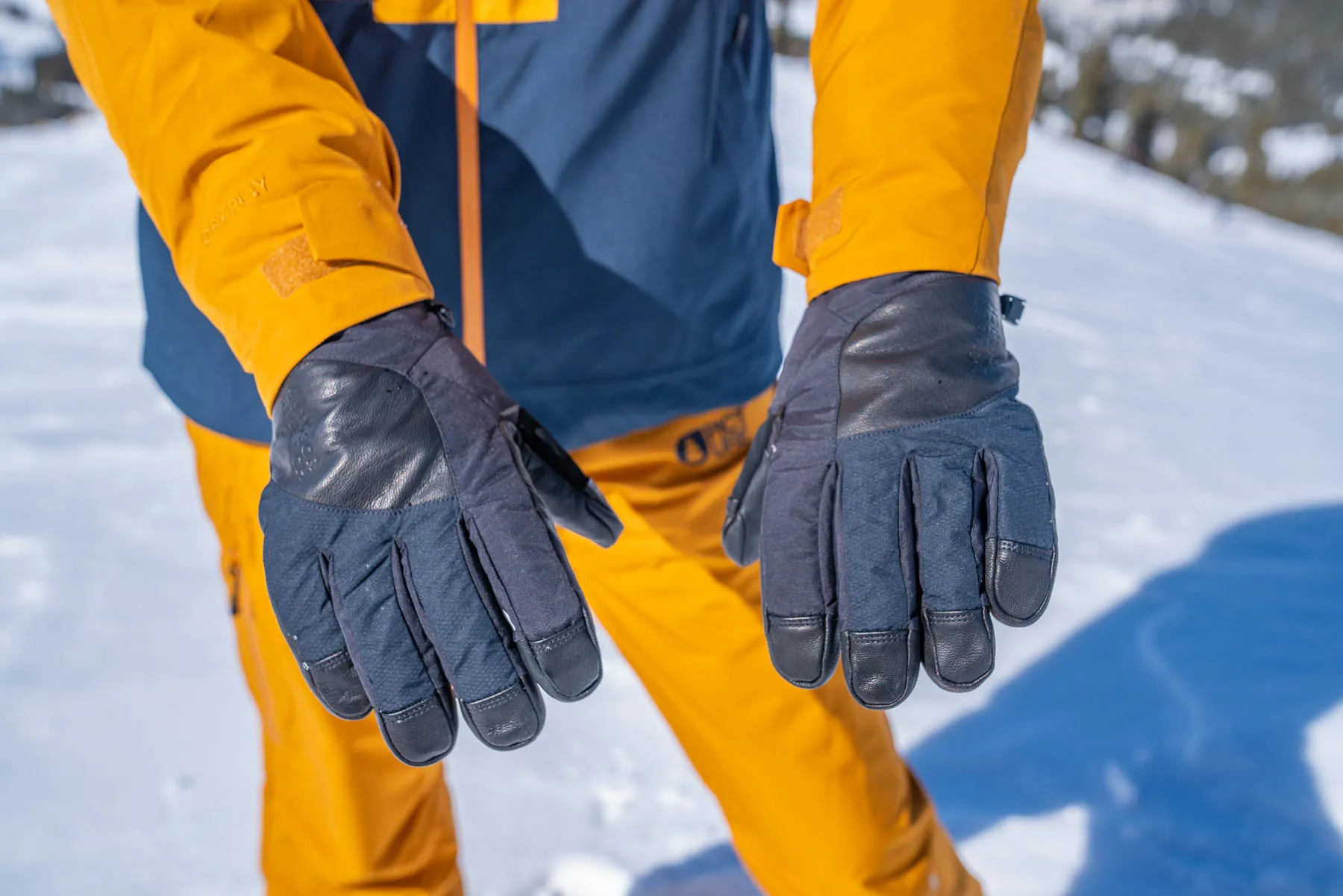
Key Features of Cold Weather Gloves
1. Insulation for Warmth
Effective insulation is the cornerstone of cold weather gloves. Materials like Thinsulate™, fleece, or synthetic fibers trap heat without adding bulk. For example, mens winter gloves from Rilong Group use advanced insulation to keep hands warm in sub-zero temperatures.
2. Waterproof and Windproof Materials
Cold weather often brings wet conditions, so look for gloves with waterproof membranes like Gore-Tex® or durable water-repellent (DWR) coatings. Windproof layers also prevent cold air from penetrating. Winter work gloves are an excellent choice for outdoor tasks in wet, windy conditions.
3. Grip and Dexterity
A good pair of cold weather gloves balances warmth with flexibility. Textured palms or coatings, such as those found in latex-coated gloves, enhance grip for handling tools or equipment in cold environments.
4. Durability
Gloves made from high-quality materials like leather, reinforced synthetic fabrics, or nitrile-coated gloves withstand wear and tear, making them ideal for demanding tasks like construction or welding.
5. Comfort and Fit
A snug fit prevents cold air from entering while allowing freedom of movement. Adjustable cuffs and ergonomic designs ensure comfort during extended use. For a tailored fit, explore womens winter gloves designed specifically for smaller hands.
Applications of Cold Weather Gloves
Cold weather gloves are versatile and suited for various activities, including:
- Outdoor Work: Protect hands during construction or maintenance with construction gloves.
- Winter Sports: Stay warm while skiing or snowboarding with kids ski gloves.
- Gardening: Handle cold, wet soil with garden gloves.
- Welding: Ensure safety in cold environments with welding gloves that offer thermal protection.
How to Choose the Best Cold Weather Gloves
1. Assess Your Environment
Consider the temperature, humidity, and task requirements. For extreme cold, opt for heavily insulated gloves like warm winter gloves. For wet conditions, prioritize waterproof options.
2. Check Insulation Levels
Insulation is measured in grams (e.g., 100g or 200g Thinsulate™). Higher gram ratings offer more warmth but may reduce dexterity. Choose based on your activity—lighter insulation for active tasks, heavier for static work.
3. Verify Sizing
Proper fit is critical for warmth and functionality. Measure your hand circumference and length (as outlined in our guide on how to measure glove size) and consult the supplier’s sizing chart. Rilong Group offers a range of sizes to suit all users.
4. Look for Additional Features
- Touchscreen Compatibility: Allows smartphone use without removing gloves.
- Reinforced Palms: Enhances durability for heavy-duty tasks.
- Breathability: Prevents sweaty hands during active use.
5. Choose a Reputable Supplier
A trusted supplier like Rilong Group ensures high-quality materials, certifications, and reliable customer support. Their winter gloves for men and winter gloves for women are designed for both comfort and performance.
Tips for Maintaining Cold Weather Gloves
- Clean Regularly: Follow the manufacturer’s care instructions to maintain waterproofing and insulation. Most gloves can be spot-cleaned with mild soap.
- Dry Properly: Air-dry gloves away from direct heat to preserve materials.
- Store Correctly: Keep gloves in a cool, dry place to prevent mold or degradation.
- Inspect for Wear: Replace gloves with worn insulation or damaged waterproofing to ensure protection.
Comparing Cold Weather Gloves to Other Glove Types
Cold Weather Gloves vs. Regular Work Gloves
Regular work gloves, like PU-coated gloves, prioritize dexterity but may lack sufficient insulation for cold environments. Cold weather gloves are thicker and designed for thermal protection.
Cold Weather Gloves vs. Cut-Resistant Gloves
While cut-resistant gloves focus on protecting against sharp objects, cold weather gloves prioritize warmth. Some hybrid options combine cut resistance with insulation for versatile use.
Conclusion
Choosing the right cold weather gloves ensures your hands stay warm, protected, and functional in harsh winter conditions. By considering insulation, waterproofing, grip, and fit, you can select gloves that meet your specific needs. Explore the extensive range of high-quality gloves from Rilong Group, including nitrile gloves for added versatility or heavy-duty gloves for rugged tasks, to find the perfect pair for any cold-weather challenge.
Need Custom Gloves Solutions?
📞 Call for Immediate Sourcing:
Michael: +86 15165509509
Sophie: +86 15806930126
📩 Email Technical Specifications:
[email protected]
[email protected]
💬 Chat on social media:


