





Introduction: Shifting from Reactive Purchase to Proactive Program
For many organizations, the approach to hand protection is purely reactive. An injury occurs, a need is identified, and a box of work gloves is ordered. While this addresses the immediate issue, it’s a strategy that perpetually lives one step behind the next accident. A world-class safety culture, however, doesn’t just react to problems—it proactively eliminates them. This requires a shift in mindset: from simply buying gloves to implementing a comprehensive Hand Safety Program.
A Hand Safety Program is a structured, holistic system designed to protect your most valuable assets—your employees’ hands. It’s a continuous cycle of assessment, selection, implementation, and refinement that turns hand protection from a simple line item into a strategic advantage that boosts productivity, reduces costs, and fosters a culture of safety.
This in-depth guide will walk you through the four critical pillars of building such a program. As a manufacturing partner to hundreds of global clients, we’ve seen firsthand how a strategic approach can transform workplace safety. Let’s move beyond the glove and build a program that delivers real, lasting results.
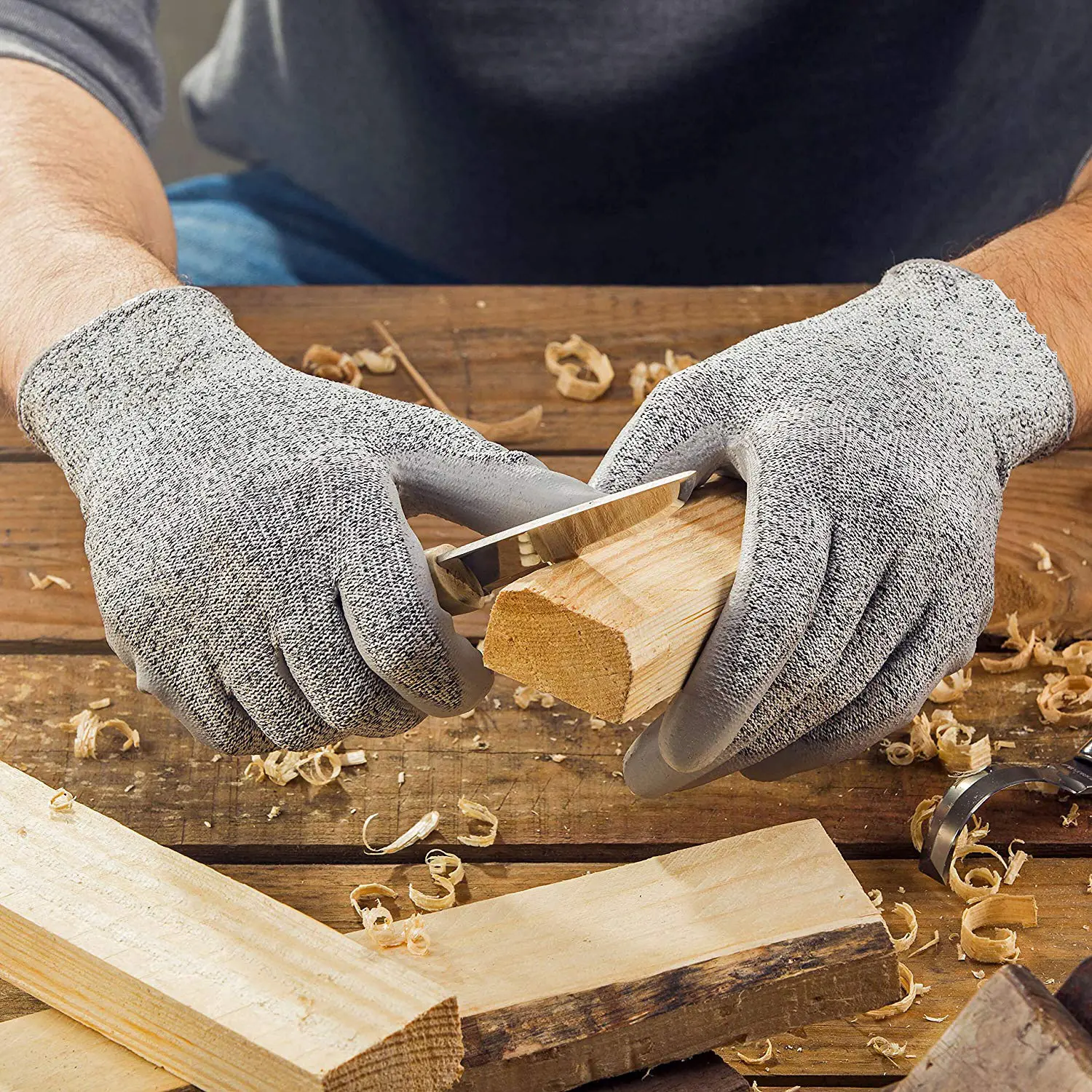
Pillar 1: The Foundation – Risk Assessment, Not Guesswork
You cannot protect against a risk you haven’t identified. The foundation of any effective safety program is a thorough and honest risk assessment. This process involves looking at every task performed by your employees and systematically identifying all potential hazards to their hands.
Conducting a Job Safety Analysis (JSA)
Go beyond just walking the floor. A formal JSA for hand safety involves:
- Observing the Task: Watch the job being done. How do workers hold their tools? What surfaces do their hands come into contact with? Where are the pinch points?
- Identifying Specific Hazards: For each step of the task, list the potential dangers. Don’t be generic. Instead of “sharp things,” specify “handling raw sheet metal edges” or “deburring machined parts.” This level of detail is crucial.
- Categorizing the Risks: Once listed, categorize the hazards to guide your glove selection.
- Mechanical Risks: Are there threats of cuts, abrasions, punctures, or impacts? This is where you would identify the need for specialized anti-cut gloves for blade handling or robust impact gloves for heavy industrial work.
- Thermal Risks: Does the job involve high heat from welding, or extreme cold in refrigerated environments? This points to the need for specific welding gloves or insulated winter gloves.
- Chemical Risks: Will hands be exposed to oils, solvents, acids, or other chemicals? The type and duration of exposure will determine if you need oil-resistant gloves or more specialized chemical-rated protection.
- Electrical Risks: Are workers near live circuits? This requires highly specialized, dielectric gloves that fall into their own category of PPE. For lower-risk electronic assembly, anti-static gloves are essential to protect the product.
The output of this stage should be a clear “map” of the hand hazards across your entire operation. This data, not guesswork, will drive the next pillar.
Pillar 2: Selection & Procurement – A Data-Driven Approach
With your risk assessment map in hand, you can now begin the selection process. The goal is to choose the optimal glove for each task, balancing protection, performance, and long-term cost.
Creating a Glove Matrix
Avoid having dozens of different, unmanaged glove types across your facility. Create a standardized “glove matrix” that specifies the approved glove(s) for each job role or task. For example:
- Machinist Role: Requires Nitrile Coating (oil resistance), EN388 Cut Level A3. Approved Glove: Model XYZ.
- Warehouse Picker: Requires high grip, breathability. Approved Glove: Model ABC (PVC Dotted or Latex Coated).
- Assembly Line Worker: Requires high dexterity, lint-free. Approved Glove: Model 123 (PU Coated).
This matrix simplifies purchasing, ensures consistency, and makes it easy to train employees on what they should be wearing.
The Importance of On-Site Trials
A glove that looks perfect on a spec sheet might fail in the real world. Before making a large purchase, conduct trials with the actual workers who will be using the gloves. Their feedback is invaluable.
- Does it provide enough dexterity? Can they still operate machinery and handle small parts effectively?
- Is it comfortable for a full shift? Does it cause excessive sweating or hand fatigue?
- Does it hold up? How long does the glove last before it needs to be replaced? This is crucial for calculating the Total Cost of Ownership (TCO), which is often more important than the initial price-per-pair of even the most economic gloves.
Pillar 3: Implementation & Training – Driving Adoption and Compliance
Having the right gloves available is only half the battle. A successful program ensures they are used correctly and consistently. This is where training and accessibility become paramount.
Training is Non-Negotiable
Your training program should cover the “Four C’s”:
- Capability: Train workers on what each glove is for. Explain *why* a cut-resistant glove is needed for one task and an oil-resistant glove for another. Help them understand the EN388 ratings on their gloves.
- Care: Teach them how to properly inspect their gloves for damage before each use. A glove with a hole is not a glove at all. Show them how to clean and store reusable gloves to maximize their lifespan.
- Compliance: Make the glove policy clear, firm, and consistently enforced. Leadership must set the example.
- Comfort: Train workers on how to achieve a proper fit and encourage them to report any discomfort, which could be a sign of an incorrect size or glove type. This applies to all users, whether they need heavy-duty gloves or lighter options like garden gloves for landscaping tasks.
Make it Easy
Place glove dispensers or supply stations in convenient, high-traffic locations near the work areas where they are needed. If a worker has to walk across the entire facility to get a new pair, compliance rates will inevitably drop.
Pillar 4: Review & Refine – The Cycle of Continuous Improvement
A world-class safety program is not static; it’s a living system that evolves.
Track Your Metrics
The success of your program should be measured with data. Track key metrics like:
- Hand Injury Rates: The ultimate measure of success. Is your program reducing the frequency and severity of injuries?
- Glove Consumption: Are you seeing changes in how many gloves are used? This can help you refine your TCO calculations.
- Near Misses: Encourage the reporting of near misses. A cut glove that saved a hand is a major program success and a powerful training tool.
Gather Feedback and Stay Updated
Regularly solicit feedback from your workers. Are the gloves performing as expected? Have any new tasks or hazards been introduced? Stay in communication with your manufacturing partner to learn about new technologies, materials, or products—like improved safety shoes or new glove coatings—that could further improve your program.
Your Manufacturer as a Partner in Safety
Building and maintaining a hand safety program is a significant undertaking, but you don’t have to do it alone. A true manufacturing partner can be an invaluable resource at every stage of the process.
At Rilong, we pride ourselves on being more than just a supplier. We are a partner in safety. We can assist with hazard assessments, provide samples for trials, and leverage our expertise to help you build a glove matrix that is both effective and economical. For unique challenges that off-the-shelf products can’t solve, our OEM/ODM capabilities allow us to engineer a custom solution just for you.
Conclusion: The Path to Zero Hand Injuries
The goal of zero hand injuries is ambitious, but achievable. It requires moving beyond reactive purchasing and embracing a proactive, systematic Hand Safety Program. By building your program on the four pillars of Assessment, Selection, Training, and Refinement, you create a powerful, self-improving system that protects your employees, enhances productivity, and builds a lasting culture of safety.
Ready to elevate your hand protection from a simple purchase to a strategic program? Contact our safety specialists today to begin building your tailored hand safety solution.
