





Are you wondering, are nitrile gloves heat resistant? If you work in industries like manufacturing, welding, or food processing, where heat exposure is a daily reality, choosing the right protective gloves is critical. Nitrile gloves have gained popularity for their durability, chemical resistance, and versatility, but their ability to withstand heat is often misunderstood. In this article, we’ll dive deep into the heat resistance of nitrile gloves, exploring their capabilities, limitations, and how they stack up against other options to keep your hands safe.
What Makes Nitrile Gloves a Popular Choice?
Nitrile gloves, made from synthetic rubber, are a go-to choice for many professionals due to their robust properties. Unlike latex gloves, they’re allergen-free, making them ideal for those with sensitive skin. They also offer excellent resistance to chemicals, oils, and punctures, which is why they’re widely used in automotive, medical, and industrial settings. But when it comes to heat, how do these gloves hold up? Let’s explore.
Understanding Nitrile Gloves’ Heat Resistance
Nitrile gloves are not specifically designed for high-temperature environments, but they do offer some level of heat resistance. The heat resistance of nitrile gloves depends on several factors, including their thickness, composition, and the specific conditions of use. Generally, nitrile gloves can handle temperatures up to 150°C (302°F) for short periods, but prolonged exposure to high heat can degrade the material, reducing its protective qualities.
For example, in tasks like handling hot tools or working near ovens, standard nitrile gloves may provide temporary protection but aren’t suitable for extended contact with extreme heat. If you’re looking for gloves that can endure higher temperatures, specialized options like heat-resistant welding gloves might be a better fit.
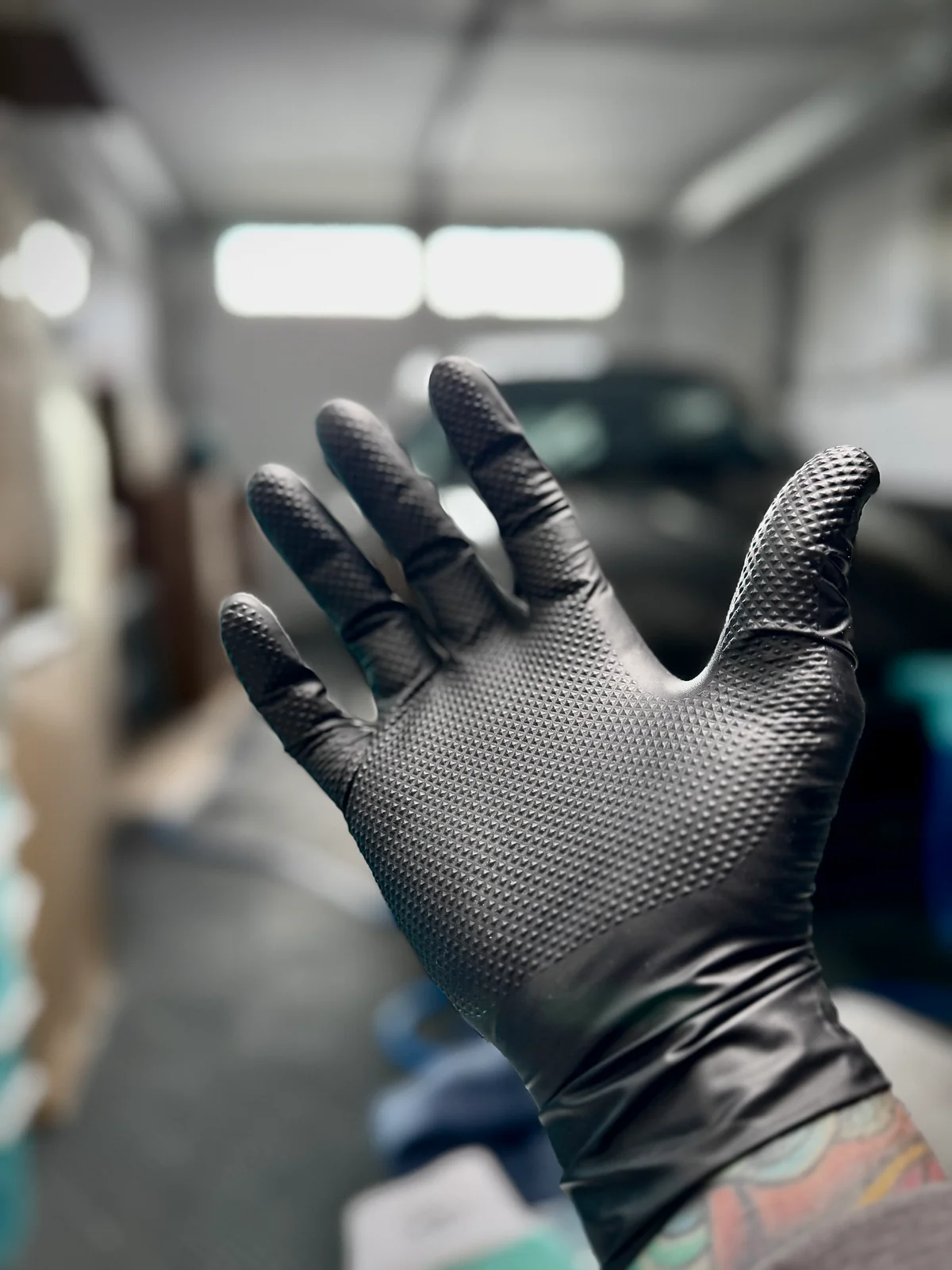
Factors Affecting Nitrile Gloves’ Heat Resistance
Several elements determine how well nitrile gloves perform in hot environments:
- Thickness: Thicker nitrile gloves, such as those used in industrial settings, provide better insulation against heat than thinner, disposable ones. For instance, heavy-duty nitrile gloves offer enhanced protection for demanding tasks.
- Exposure Time: The longer nitrile gloves are exposed to heat, the more likely they are to break down. Short-term contact with hot surfaces is usually manageable, but continuous exposure can cause the material to soften or melt.
- Temperature Range: Nitrile gloves perform best at moderate temperatures. Beyond 150°C, their structural integrity weakens, making them less effective.
- Coating and Additives: Some nitrile gloves, like nitrile-coated gloves, have additional coatings that may slightly improve heat resistance, but they’re still not designed for extreme heat.
When Are Nitrile Gloves Heat Resistant Enough?
Nitrile gloves are suitable for tasks involving brief or indirect heat exposure. For example:
- Food Processing: Handling warm trays or tools in commercial kitchens.
- Automotive Work: Working with warm engine parts or tools that aren’t scalding hot.
- Light Industrial Tasks: Brief contact with moderately hot surfaces or materials.
However, for high-risk tasks like welding or working with molten metal, nitrile gloves fall short. In such cases, specialized gloves designed for extreme heat, such as leather or Kevlar-based options, are recommended.
Comparing Nitrile Gloves to Other Heat-Resistant Options
To understand whether nitrile gloves are the right choice, let’s compare them to other glove types:
- Leather Gloves: Often used in welding, leather gloves provide superior heat resistance, often withstanding temperatures up to 500°C. They’re bulkier but ideal for heavy-duty tasks.
- Kevlar Gloves: These are excellent for high-heat environments and offer cut resistance, making them a versatile choice for industrial settings.
- Latex Gloves: While flexible, latex gloves have lower heat resistance than nitrile and are prone to melting at high temperatures.
For tasks requiring both heat and chemical resistance, nitrile gloves can be a practical compromise, but they’re not a one-size-fits-all solution.
Tips for Choosing Heat-Resistant Nitrile Gloves
If you decide nitrile gloves are suitable for your needs, here are some tips to maximize their heat-resistant performance:
- Opt for Thicker Gloves: Choose industrial-grade nitrile gloves for better insulation.
- Check Certifications: Look for gloves that meet standards like EN407 for thermal protection.
- Layer Up: In some cases, wearing nitrile gloves under heat-resistant gloves can provide a balance of chemical and thermal protection.
- Test for Your Environment: Always test gloves in your specific work conditions to ensure they meet safety requirements.
Limitations and Safety Considerations
While nitrile gloves offer some heat resistance, they’re not a substitute for specialized heat-resistant gloves in high-risk environments. Over-reliance on nitrile gloves for extreme heat can lead to burns or injuries. Always assess the temperature and duration of exposure before choosing your gloves.
Additionally, nitrile gloves can degrade over time when exposed to heat, chemicals, or UV light, so regular inspection and replacement are crucial. For industries requiring robust protection, consider exploring RiLong’s range of industrial safety gloves for tailored solutions.
Conclusion: Are Nitrile Gloves Heat Resistant Enough for You?
So, are nitrile gloves heat resistant? The answer is yes, to a certain extent. They’re suitable for tasks involving moderate heat and short-term exposure but fall short in extreme conditions. For high-temperature environments, specialized gloves designed for heat resistance are a safer bet. By understanding the limitations and strengths of nitrile gloves, you can make informed decisions to keep your hands protected.
For premium nitrile gloves and other safety gear, explore RiLong’s extensive range of products to find the perfect fit for your workplace needs. Stay safe, and choose wisely!
