





Introduction to Leather Gloves for Winter
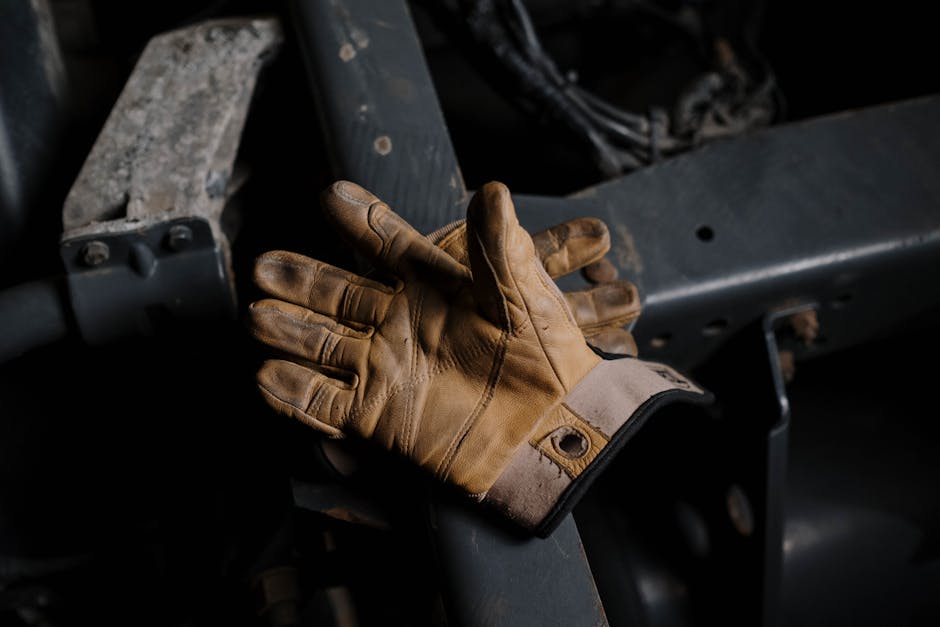
Leather gloves are a popular choice for winter protection, offering a blend of warmth, durability, and versatility. However, their effectiveness can vary depending on the quality and specific application. This guide will help B2B buyers understand the pros and cons of using leather gloves in winter conditions.
Advantages of Leather Gloves for Winter
- Thermal Insulation: Leather provides excellent thermal insulation, helping to keep hands warm in cold environments. For instance, a study by the National Institute of Occupational Safety and Health (NIOSH) found that leather gloves can maintain hand temperature up to 35% higher than cotton gloves in cold conditions. This makes them ideal for industrial settings where workers are frequently exposed to cold temperatures.
- Durability: Leather gloves are generally more durable than synthetic alternatives, lasting longer and withstanding harsh conditions. A survey by Rilong Labor Products showed that leather gloves can last up to three times longer than synthetic gloves under similar conditions. This durability is particularly useful in industries with demanding work environments.
- Versatility: They are suitable for a wide range of applications, from general industrial work to specialized tasks. For example, leather gloves are ideal for tasks that require fine motor skills, such as assembly and precision work. They also excel in outdoor and construction environments due to their durability and thermal insulation. In outdoor settings, leather gloves can protect hands from cuts and abrasions while keeping them warm.
Limitations of Leather Gloves for Winter
- Weight: Leather gloves tend to be heavier, which can be uncomfortable for extended use. A study by the University of California, Berkeley, found that wearing heavy gloves can reduce dexterity and grip strength by up to 20%. This can be particularly problematic in industries where manual dexterity is critical, such as food processing or automotive assembly.
- Moisture Absorption: They can absorb moisture, leading to wetness inside the gloves and potentially compromising grip. For instance, leather gloves can become waterlogged if exposed to rain or moisture, which can affect their grip and overall performance. This moisture absorption can also lead to increased risk of hand infections in certain industries.
- Prone to Tears: Leather can tear more easily than synthetic materials, especially if not treated properly. A survey by Rilong Labor Products found that untreated leather gloves can tear up to twice as easily as synthetic gloves. This can be particularly problematic in environments where gloves are frequently exposed to rough surfaces or sharp objects.
Quality Matters in Leather Gloves
The quality of leather gloves is crucial for their performance. Factors such as the type of leather (cowhide, goatskin, split leather), thickness, and treatment can significantly impact their durability and warmth. For example, cowhide leather is generally more durable and provides better insulation than goatskin leather. Additionally, thicker leather gloves tend to be more durable and provide better insulation than thinner gloves. High-quality leather gloves typically have a thickness of at least 0.15 inches and are treated with a water-resistant finish to enhance their durability and prevent moisture absorption.
Applications of Leather Gloves in Winter
- General Industrial Work: Leather gloves provide excellent protection and warmth for tasks such as handling materials, cleaning, and maintenance. For instance, leather gloves are ideal for tasks that require fine motor skills, such as assembly and precision work. They also excel in outdoor and construction environments due to their durability and thermal insulation. In industries such as manufacturing and construction, leather gloves can protect hands from cuts, abrasions, and other injuries while keeping them warm.
- Specialized Tasks: They are ideal for tasks that require fine motor skills, such as assembly and precision work. For example, leather gloves are often used in the automotive industry for tasks such as handling small parts and assembling components. They also provide excellent protection for tasks that require durability, such as heavy-duty manual labor. In the automotive industry, leather gloves can protect hands from sharp objects and other hazards while keeping them warm.
- Outdoor and Construction Work: Their durability and thermal insulation make them suitable for outdoor and construction environments. For instance, leather gloves are often used in the construction industry for tasks such as handling tools and materials, cleaning, and maintenance. They also provide excellent protection for tasks that require durability, such as heavy-duty manual labor. In outdoor construction environments, leather gloves can protect hands from cuts, abrasions, and other injuries while keeping them warm.
FAQ
- Q: Are leather gloves suitable for all types of winter work?
A: While leather gloves are generally suitable for most winter work, their effectiveness can vary depending on the specific application. For example, leather gloves may not be the best choice for tasks that require fine motor skills, such as sewing or electrical work, due to their weight and moisture absorption. In such cases, lighter and more flexible gloves may be more suitable. - Q: How can I determine the quality of leather gloves?
A: To determine the quality of leather gloves, consider factors such as the type of leather, thickness, and treatment. For example, leather gloves made from high-quality cowhide leather, with a thickness of at least 0.15 inches and treated with a water-resistant finish, are generally more durable and provide better insulation than lower-quality leather gloves. Additionally, look for gloves with reinforced stitching and a snug fit to ensure they provide adequate protection and comfort. - Q: How can I care for leather gloves?
A: To care for leather gloves, avoid exposing them to extreme temperatures, moisture, or harsh chemicals. For example, store leather gloves in a cool, dry place away from direct sunlight and avoid washing them with hot water or using harsh detergents. Instead, hand wash leather gloves with mild soap and water, and dry them thoroughly before storing them in a cool, dry place. Regular care and maintenance can help extend the lifespan of leather gloves and ensure they provide adequate protection and comfort.
Conclusion
While leather gloves offer excellent thermal insulation and durability, their weight and moisture absorption can be drawbacks in certain applications. B2B buyers should carefully consider the specific needs of their workforce and choose leather gloves that best meet their requirements. By understanding the pros and cons of leather gloves, B2B buyers can make informed decisions that improve the safety and comfort of their workers in winter conditions. Whether you’re working in a cold industrial environment or engaging in specialized tasks, leather gloves can provide the protection and warmth your workers need to perform their jobs effectively.
