





Work glove coating tackiness is an observation of an unexpectedly sticky surface, not a diagnosis. A receiving team may notice gloves adhering to one another, packaging sticking to a palm or a surface feeling different from an approved sample. The buyer needs a traceable review before deciding whether the shipment matches the order.
This guide focuses on documenting that exception for importers, distributors and purchasing teams. It does not explain a particular batch’s chemistry, establish a protection rating or recommend a way to restore suspect gloves. No Rilong batch issue is being reported; the examples below are hypothetical purchasing situations.
1. Describe the observation without guessing the cause
Replace “the coating is bad” with a description of what was observed and when. State whether the concern appeared during opening, removal from an inner pack, comparison with a reference pair or another recorded step. Note the hand area involved and whether the observation concerns glove-to-glove contact or contact with packaging.
For example: “On opening inner pack A, the palm of one glove remained attached to the adjacent glove at the fingertips.” That statement identifies an event. It does not establish whether the cause lies in manufacture, packaging, transport, storage, contamination or the way the pack was handled.
Keep grip texture and unintended sticking separate. A roughened surface, a subjective feeling of grip and two products adhering inside a pack are different observations. Do not accept or reject a batch solely because someone calls it “high grip.” The relevant question is whether the supplied condition matches the agreed specification and acceptance criteria.
2. Preserve the identity and condition of the samples
Keep the glove, its original pack and identifying labels connected. Record the purchase order, supplier model, size, color, shipment reference and any lot or date codes exactly as printed. If a code is unclear, photograph it and ask the supplier what it means rather than interpreting it as an expiry or production date.
Photograph the unopened pack where possible, then the observed condition. Record the opening sequence and which samples were altered during inspection. A pair that was forcefully separated or otherwise changed should not later be presented as an untouched as-received sample.
Use the buyer’s normal hold and discrepancy procedure while the condition is unresolved. Do not send uncertain stock into a task trial simply to see whether it still works. The appropriate quality and safety reviewers should decide what further examination is suitable and who is authorized to release the goods.
- Identify the physical samples and their original packaging.
- Record which cartons and sizes were checked.
- Keep observations linked to each sample reference.
- Distinguish untouched retained samples from inspected or altered samples.
- Record the person responsible for the next review.
3. Compare one exact construction with its approved baseline
Start with the agreed model and specification revision, not a general catalogue image. Confirm liner, coating material and finish, coverage, size and any relevant treatments. If the order allows several variants, establish which version the sample represents before comparing it with another pair.
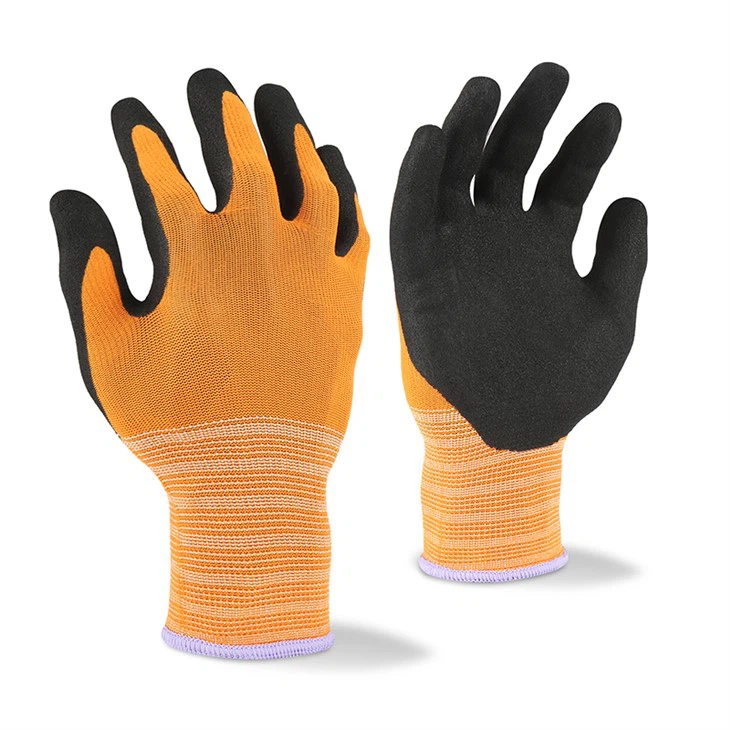
For a sample enquiry involving Rilong’s 15-gauge sandy nitrile work glove, the confirmed gauge is 15. The current product information also calls for confirmation of the offered liner blend and palm or full-coating configuration. Record those choices explicitly; they should not be treated as interchangeable constructions.
The product page does not establish a universal acceptable tackiness level. Ask for the current model specification, relevant instructions and an agreed reference sample. A photograph can identify the appearance of a coating but cannot determine its composition, surface behavior or protective performance.
If the approved reference itself has uncertain identity or storage history, record that limitation. Do not use an old loose pair as the sole basis for a batch rejection or acceptance. The supplier and buyer need a baseline both can identify and understand.
4. Build a review record the supplier can investigate
A useful complaint package gives the supplier enough context to investigate without presenting unverified conclusions. Use an observation table that distinguishes the checked sample, the condition found and the evidence available. Keep unrecorded conditions marked unknown.
| Record | Details to include | Avoid assuming |
|---|---|---|
| Sample identity | Model, size, pack, carton and printed codes | That similar appearance means the same version |
| Contact location | Palm, fingertips, cuff or packaging interface | That the whole glove has the same condition |
| Opening observation | What adhered, what was visible and the recorded sequence | A particular chemical or manufacturing cause |
| Scope checked | Cartons, sizes and samples examined | That every pair in the shipment is affected |
| Handling history | Available receipt, transport and storage records | Conditions that were never monitored |
| Comparison | Approved reference and its limitations | A universal pass/fail threshold |
| Disposition | Hold status, reviewer and next action | Permission to issue stock before review |
If only one carton was examined, state that scope clearly. The buyer’s quality plan should determine how to assess the wider shipment. Do not turn a convenient sample into a claimed statistical conclusion about the entire lot, and do not invent an inspection level after observing the result.
For a wider review of visible workmanship, use the complementary coated work glove incoming-inspection guide. Keep separate findings separate: sticking, visible peeling, marking and dimensional differences may require different questions and evidence.
5. Request an assessment rather than a quick remedy
Ask the supplier to confirm sample identity, review the evidence and explain what further information or examination is needed. The response should distinguish an assessment of the observed condition from an explanation of its cause. A statement that a coating is “normally grippy” does not resolve a specific packaging-adhesion observation.
Include relevant handling history where records exist. The work glove storage and warehouse guide helps organize those records. Its general warehouse controls do not establish what happened to this shipment, and an unrecorded temperature should remain unknown rather than being reconstructed from a weather report.
Do not improvise a cleaning, powdering, heating or chemical treatment to make the samples easier to separate. Such changes would alter the condition under investigation. Any proposed treatment or rework needs appropriate review, written instructions and a decision about whether it is permitted for the exact product and intended use.
Also keep protection evidence separate. Visual appearance or a subjective surface feel cannot confirm that the glove meets a claimed mechanical, chemical or electrical requirement. Where the intended task requires supporting documents or further assessment, request them for the offered model through the responsible reviewer.
6. Record the decision and protect the next order
Close the review with a documented disposition under the buyer’s quality procedure. Identify the affected stock, decision owner, evidence reviewed, outstanding limits and action agreed with the supplier. A commercial settlement and a technical release are different records; agreeing a credit does not itself authorize use of the goods.
If replacement stock is proposed, confirm its model, specification and receiving checks. If the supplied construction changes, treat that as a separate approval decision rather than assuming it resolves the original concern. Keep the retained evidence and correspondence connected to the original shipment.
For future orders, agree which surface and packaging observations matter, how they will be reviewed and what reference will be used. Describe the criterion in practical terms the supplier can apply. Avoid a vague instruction such as “no problems allowed,” and do not borrow a numerical threshold from an unrelated glove.
Buyer questions before closing a tackiness review
Does sticking prove the gloves were stored incorrectly?
No. The observation alone does not identify the cause. Review actual records and a model-specific assessment. If the evidence cannot establish a cause, keep that conclusion open while documenting the disposition decision.
Can a supplier’s sample photograph approve the shipment?
A photograph supports identification and visible-condition review, but it cannot communicate every surface property. The approval process should identify which samples, documents and examinations support the actual decision.
What should a distributor tell a customer?
Use factual, scoped wording: identify the model and affected supply, describe the recorded observation and state the current review status. Do not promise a cause, remedy or protection outcome that has not been confirmed.
A controlled work glove coating tackiness review preserves the evidence, keeps assumptions visible and gives purchasing a clear route to a documented decision. To discuss a new Rilong sample enquiry, send the model, coating coverage and receiving requirements. Request current specifications and agree the approval record before placing the order.
